Best Time to Visit Malaysia: Weather, Seasons & Crowds
When to visit Malaysia depends on where you go. A region-by-region guide to monsoons, haze, heat, school holidays and 2026 festival dates from someone who lives here.
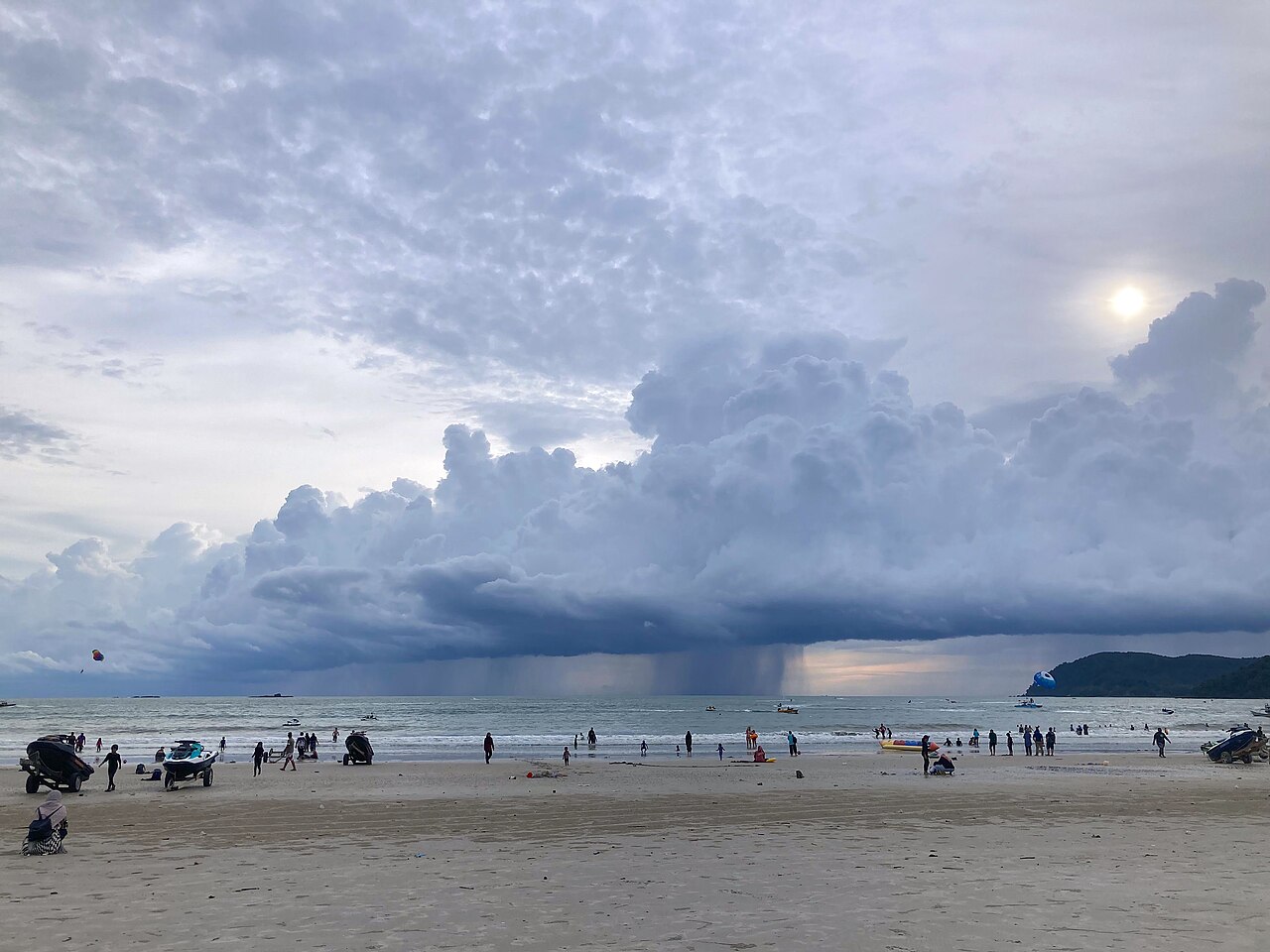
The honest answer to “when’s the best time to visit Malaysia” is: it depends entirely on where you’re going. Malaysia sits right on the equator, so it’s hot and humid every single day of the year — there’s no spring or autumn, no cool dry season like you get further north in Thailand. What changes is the rain, and the rain is governed by two monsoons that hit opposite coasts at opposite times. Get the timing right for your region and you’ll have a great trip in almost any month. Get it wrong and you could be stuck watching boats cancel from a closed beach resort.
I live in Johor Bahru, at the southern tip of the peninsula, and I’ve travelled the country in every month of the year. Here’s how to think about it.
The one thing to understand: two monsoons
Malaysia has two monsoon seasons that matter for travel:
- Northeast monsoon (roughly November to March) — brings the heaviest rain to the east coast of the peninsula (Kelantan, Terengganu, Pahang) and to Borneo. This is the season that closes the east-coast islands.
- Southwest monsoon (roughly May to September) — drier and milder overall, but it’s the wetter stretch for the west coast (Langkawi, Penang).
Neither monsoon means rain all day. Even in the wet season you usually get sun in the morning and a heavy downpour in the afternoon that clears in an hour or two. The exception is the northeast monsoon on the east coast, which genuinely can be days of rain.
Region by region — this is what actually matters
West coast: Langkawi, Penang, KL, Malacca
The best window for the west coast and the main cities is roughly December to March, when the northeast monsoon is dumping its rain on the other side of the peninsula and the west stays comparatively dry and sunny. April to October is the wetter stretch here, with April and October–November often the rainiest, but it’s afternoon-shower wet, not washout wet. Kuala Lumpur, Penang and Malacca are fine to visit year-round — you just carry an umbrella.
East coast islands: Perhentian, Redang, Tioman
This is where timing is make-or-break. The east-coast islands are best from late March to September. During the northeast monsoon (November to February especially) the seas are rough, boat crossings get cancelled, and many resorts on the Perhentians and Redang close down completely, reopening around March. If your trip is built around snorkelling or diving off these islands, do not come in December or January. Come in April, May or June for the calmest, clearest water.
Borneo: Sabah and Sarawak
Borneo is in an “ever-wet” zone — it can rain any time of year — but the drier window is roughly April to September. For climbing Mount Kinabalu or diving Sipadan in Sabah, that dry-season stretch is your friend. Sarawak’s drier months lean a little later (around June to September). The northeast monsoon (November to February) brings Borneo’s heaviest rain, though short sharp showers happen year-round regardless.
Johor Bahru and the far south
Down here in JB we don’t have a dramatic monsoon — we get rain spread through the year with no resort-closing season. November to January tends to be wetter, with occasional heavy evening storms and the odd flash flood, but it never shuts the city down. If you’re crossing from Singapore for a weekend (see our guide to crossing the JB–Singapore border), weather is rarely the deciding factor — traffic is. For what to actually do once you’re here, see things to do in Johor Bahru.
Heat and humidity: the same all year
Don’t expect a “cool season.” Lowland Malaysia sits around 31–33°C in the day and rarely drops below 23–24°C at night, every month, everywhere on the coast. Humidity is high year-round — usually 70–90%. The only real escape is altitude: the Cameron Highlands and Genting Highlands are noticeably cooler (often 15–25°C) and make a good break from the heat in any month. Plan outdoor activity for the morning before the midday sun, and assume you’ll sweat through a shirt regardless of season.
Haze season: the wildcard
Roughly August to October, Malaysia can get hit by transboundary haze — smoke drifting in from agricultural fires in Indonesia (Sumatra and Kalimantan). In bad years it pushes air quality into unhealthy ranges, blurs the skyline, and can disrupt outdoor plans in KL, Penang and across the west. It’s unpredictable — some years are barely noticeable, others are rough for weeks. If you’re sensitive to air quality or planning a lot of outdoor activity, late-year travel carries this risk. Check the API (Air Pollutant Index) readings close to your trip rather than assuming.
2026 festivals and how they affect travel
Malaysia’s festivals are a genuine reason to visit, but they also spike prices and crowds and shut some businesses. Key 2026 dates (all verified as of May 2026 — note Islamic dates depend on moon-sighting and can shift by a day):
- Chinese New Year — 17–18 February 2026 (Tue–Wed). The biggest domestic travel period of the year. Flights, trains and hotels book out and get expensive; many family-run Chinese restaurants and shops close for several days. Lovely atmosphere in places like Penang and Malacca, but plan ahead and book early.
- Ramadan — begins around mid-February 2026, the fasting month leading up to Hari Raya. Daytime is quieter in Muslim-majority areas, but the Ramadan bazaars in the evenings are some of the best street-food experiences in the country.
- Hari Raya Aidilfitri — 21–22 March 2026 (Sat–Sun), with a replacement holiday Monday 23 March. The biggest balik kampung (homecoming) exodus — Malaysians travel en masse to their hometowns. Roads, especially the North–South Expressway, get jammed for days around it, and KL empties out. Beautiful if you have local friends to celebrate with; logistically painful if you’re trying to move around.
- Hari Raya Haji — around 27 May 2026 (subject to moon-sighting confirmation). A shorter holiday, less travel chaos than Aidilfitri.
- Deepavali — 8 November 2026 (Sun), with a replacement holiday Monday 9 November. The Festival of Lights; Little India areas in KL, Penang and Klang come alive.
School holidays also drive domestic crowds — the longest break is the year-end school holidays (roughly late November into December), when local families flood beaches and highlands. Add the CNY and Hari Raya peaks and you’ve got the three windows where domestic tourism prices climb hardest.
So, when should you go?
A simple rule of thumb:
| Your trip | Best months |
|---|---|
| West coast + cities (Langkawi, Penang, KL) | December–March |
| East-coast islands (Perhentian, Redang, Tioman) | April–September (avoid Nov–Feb) |
| Borneo (Sabah, Sarawak) | April–September |
| A bit of everything | March or July — decent compromise across regions |
March is arguably the single best all-rounder month: the west coast is still dry, the east-coast islands have reopened, and Borneo is heading into its drier stretch. Just watch that it can overlap with Hari Raya travel some years.
And if your trip includes the deep south, JB makes an easy base year-round. Thinking of staying longer than a holiday? Our moving to Johor Bahru guide covers what life here is actually like. Got a specific month or region in mind and want a sanity check? Get in touch — happy to give you a straight answer.
About the author
Chris Tan lives and works in Johor Bahru, Malaysia, helping people relocate to and buy property in the Iskandar region. Questions about your move? Get in touch.
Keep reading
 Travel & Explore
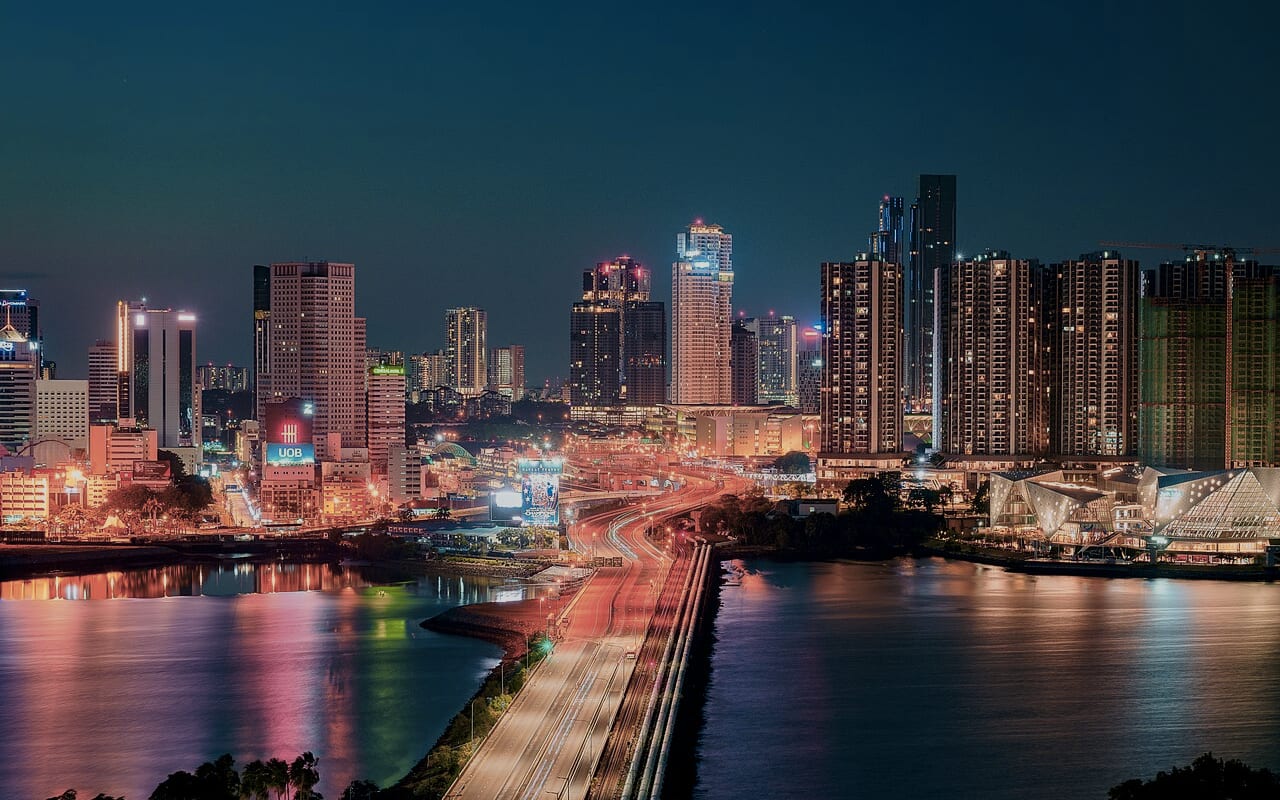
 Crossing the JB–Singapore Border: A Complete Guide
How to cross the Johor Bahru–Singapore border in 2026 — Causeway vs Second Link, VEP and road charges, QR/autogate clearance, peak times, and car vs bus vs motorcycle.
8 Mar 2026
 Travel & Explore
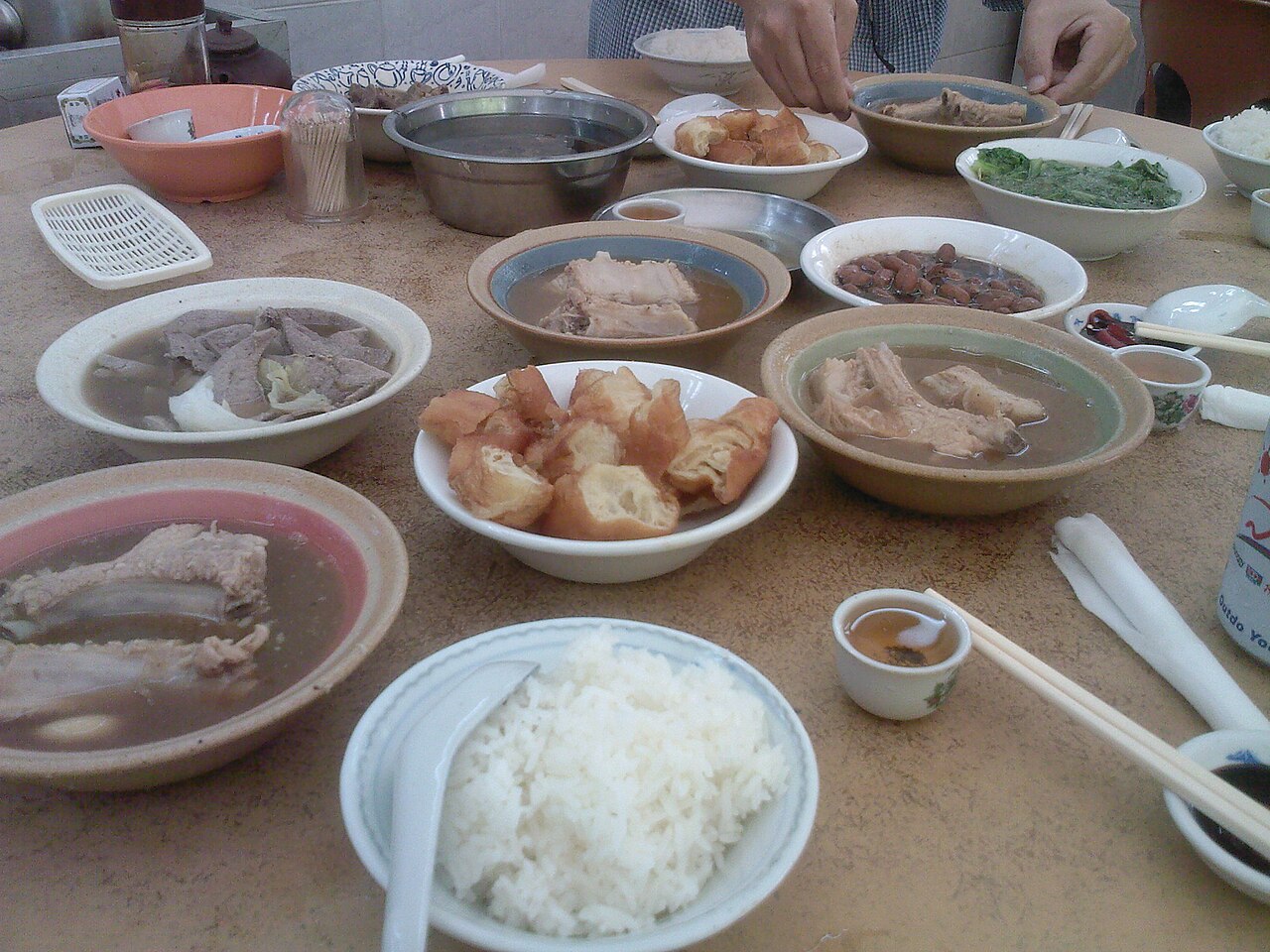
 Bak Kut Teh in Johor Bahru: Where to Go
A local guide to bak kut teh in Johor Bahru — Shoon Huat, Hwa Mei, Kota Tinggi style, the difference between herbal and peppery broth, and rough 2026 prices.
6 Mar 2026
 Travel & Explore
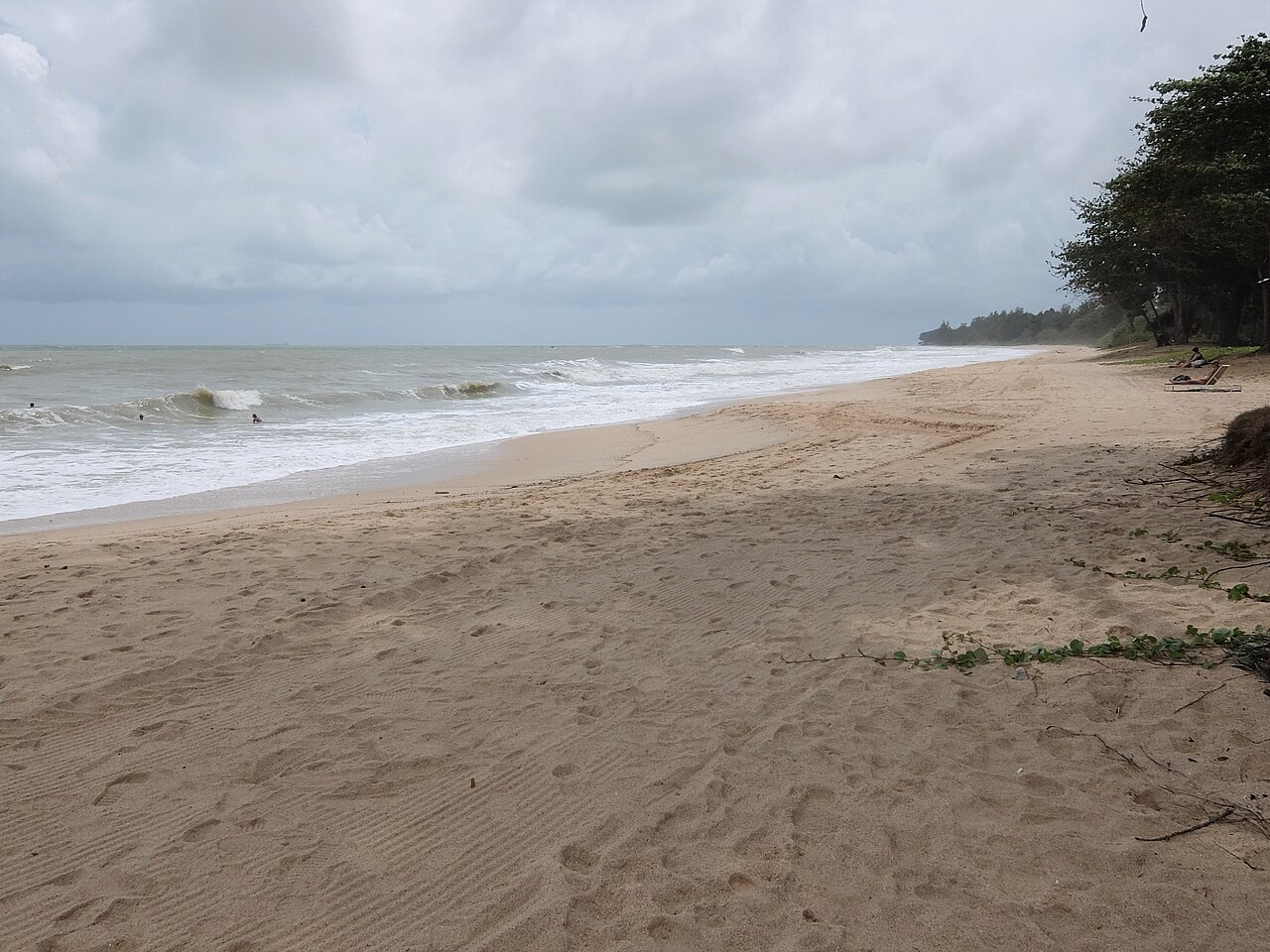
 Beaches Near Johor Bahru
A local's guide to beaches near Johor Bahru — Desaru Coast, Tanjung Balau, Tanjung Piai and more, with drive times, rough 2026 costs and honest expectations.
11 Mar 2026
 Travel & Explore
 The Best Cafes in Johor Bahru
A local guide to the best cafes in Johor Bahru — specialty coffee and brunch in Mount Austin and Taman Molek, where to work, and rough 2026 prices.
12 Mar 2026
 Moving to Malaysia
 Best Areas to Live in Johor Bahru: A Neighbourhood Guide
Where to live in Johor Bahru — JB city, Bukit Indah, Iskandar Puteri, Mount Austin and more, compared by lifestyle, commute to Singapore, and who each suits.
7 Feb 2026
 Property & MM2H
 Buying Property in Iskandar Malaysia: A Foreigner's Guide (2026)
Can foreigners buy property in Johor? Yes — here's how it actually works in Iskandar Malaysia: rules, process, financing, fees, and the mistakes to avoid.
10 Feb 2026