Renting in Johor Bahru: Areas, Costs & How to Find a Place
How renting works in Johor Bahru — where to search, deposits and agent fees, what to check before signing, and the scams newcomers fall for.
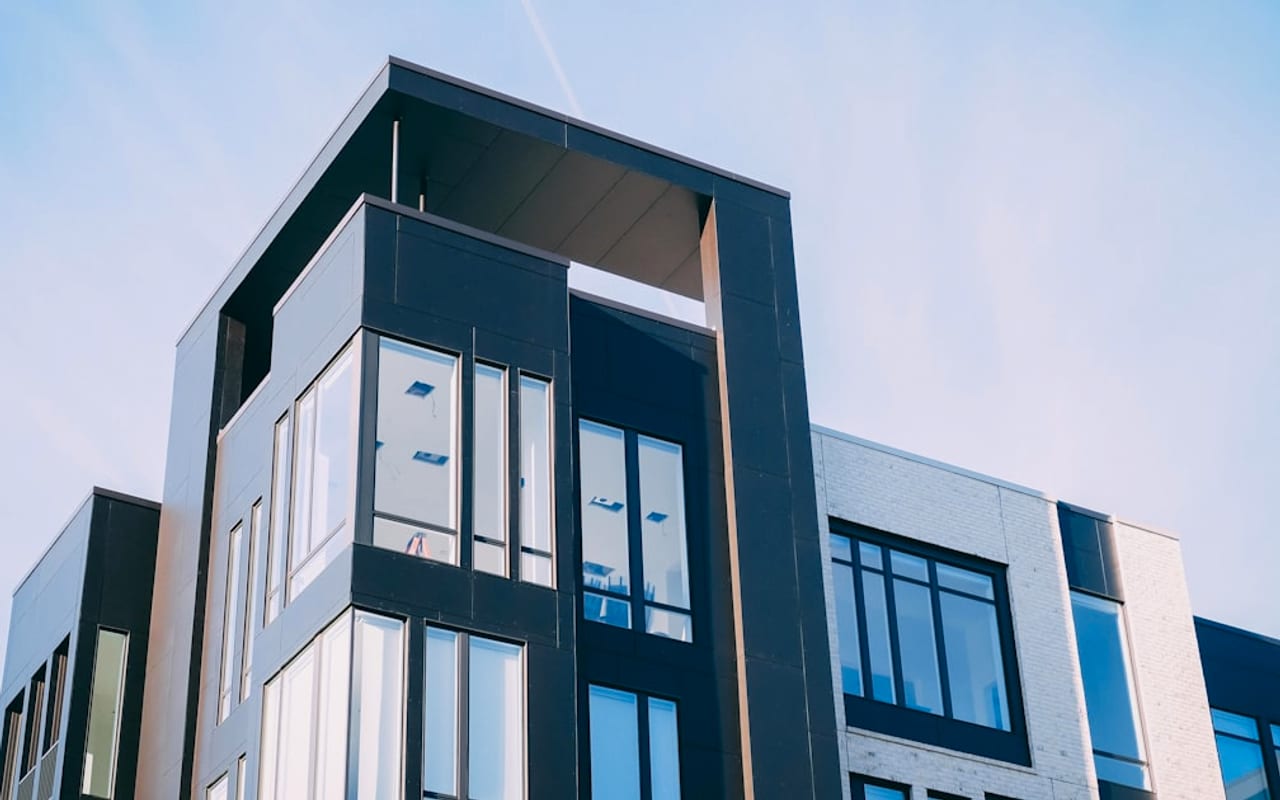
Most people who move to Johor Bahru rent before they buy — and they should. Renting first lets you learn the city, test a commute, and find out whether you actually like an area before you commit money to it. This guide covers how renting works in JB from a newcomer’s point of view: where to search, how the deposit structure works, what a tenancy agreement covers, and the red flags that catch people out.
If you’re still deciding whether to move here at all, start with our Moving to Johor Bahru guide first, then come back to this one.
Where to search for a rental
There’s no single place everyone uses. In practice you’ll combine a few:
- Property portals — the big Malaysian sites (PropertyGuru, iProperty, Mudah, EdgeProp) carry most listings. Good for browsing prices and areas before you arrive.
- Property agents — a registered agent (REN/REA) does the legwork: shortlists units, arranges viewings, handles the paperwork. For a newcomer who doesn’t know the areas yet, a decent agent saves a lot of wasted trips.
- Facebook groups & community boards — landlords post directly here. Cheaper (sometimes no agent fee) but you’re on your own for vetting and paperwork.
- On the ground — once you’ve picked a building or neighbourhood, the guardhouse or management office often knows which units are empty.
A note on which areas to even look at: JB is spread out and the right area depends heavily on whether you cross into Singapore daily. We cover this properly in Best Areas to Live in Johor Bahru — read that alongside this one.
Furnished, partly furnished, or unfurnished
Listings in JB usually fall into three buckets, and the wording matters because it changes both your rent and what you need to buy on day one.
- Fully furnished — beds, sofa, dining set, white goods, often kitchen basics. You move in with suitcases. Highest rent.
- Partly furnished — typically kitchen cabinets, aircon, sometimes a fridge/washer. You bring beds and the rest.
- Unfurnished — bare unit, sometimes not even lights or aircon. Lowest rent, highest setup cost.
Always confirm in writing exactly what’s included — take photos at viewing. “Furnished” means different things to different landlords.
How deposits work in JB
This is where newcomers get confused, because Malaysian rentals usually involve several separate deposits plus advance rent, not one lump sum. The structure is fairly standard even if the exact amounts vary by landlord and property:
| Item | What it is | Typical structure |
|---|---|---|
| Advance rent | First month paid upfront | 1 month’s rent |
| Security deposit | Refundable; covers damage / breaches | 2 months’ rent |
| Utility deposit | Refundable; covers unpaid electricity/water | 0.5 month’s rent |
| Access cards / keys | Sometimes a small refundable charge | RM50–200 |
So the standard upfront cost to move in is 3.5 months’ rent — often written as the “2 + 1 + ½” structure (two months’ security deposit, one month’s advance rent, half a month’s utility deposit). On a RM2,000 condo that’s about RM7,000 before you’ve moved a single box in. Budget for it; it catches a lot of newcomers off guard. (Structure as of May 2026 — exact amounts vary by landlord.)
Two things to know going in:
- Deposits are refundable, advance rent is not — the advance is your first month’s rent; the deposits come back at the end if the unit is in agreed condition.
- Get the deposit terms in the tenancy agreement, including how and when they’re returned. Verbal promises about refunds are how disputes start.
What a tenancy agreement covers
In Malaysia the rental contract is the Tenancy Agreement (TA). For a newcomer, read these clauses before signing:
- Term & rent — length of lease, monthly rent, when and how it’s paid.
- Deposit terms — amounts, what they cover, return conditions and timeline.
- Who pays what — utilities, internet, maintenance/service charge, sinking fund, assessment, quit rent. In condos the maintenance fee is often the landlord’s, but confirm it.
- Repairs — who fixes the aircon when it dies, who handles the water heater. Define the line between landlord and tenant responsibility.
- Early termination & diplomatic clause — what happens if you need to leave early. Useful if your job or visa situation is uncertain.
- Renewal — whether and how you can extend, and on what terms.
The TA is also stamped at LHDN (Inland Revenue) to be legally enforceable — a small stamp duty applies. Don’t skip stamping; an unstamped agreement is weak if you ever end up in a dispute.
How agent fees usually work
When a registered agent handles the rental, there’s a commission — and the important point for a newcomer is who pays it. In Malaysia the agent’s fee is conventionally borne by the landlord, not the tenant, for a standard residential let. You should not normally be paying a finder’s fee just to view or rent a unit.
If someone asks you, the tenant, for a large upfront “agent fee” before you’ve even seen a contract, slow down — that’s one of the red flags below.
What to inspect before you sign
Do a proper walkthrough, ideally in daylight, before any money changes hands:
- Water pressure & hot water — run taps and the shower, check the water heater.
- Aircon — switch every unit on; servicing is expensive and you don’t want to inherit a dead compressor.
- Leaks & damp — ceilings, under sinks, around windows, bathroom walls.
- Power — test sockets and lights; bare units sometimes have none.
- Locks, doors, windows — and how many access cards you actually get.
- Phone signal & note the fibre provider — coverage and which ISP serves the building.
- Document existing damage — photograph everything and attach it to the TA so it can’t be deducted from your deposit later.
Also check the building, not just the unit: lift condition, security, parking, rubbish, and whether the maintenance fee is actually being paid (a building in arrears falls apart fast).
Red flags and scams to avoid
Rental scams target newcomers because you don’t know local norms yet. Watch for:
- “Pay a deposit to reserve before viewing.” Never pay for a unit you haven’t physically seen — a classic fake-listing scam where photos are stolen from a real listing.
- Landlord “overseas,” can’t meet, asks you to wire money. Common scam script. Deal with people you can actually meet.
- Pressure to skip the written TA or to skip stamping. No legitimate landlord needs you to skip the contract.
- Rent far below market for the area. If it’s too cheap, ask why — it’s often bait.
- Asked to pay deposits in cash with no receipt. Always get documentation and pay traceably.
- Can’t prove ownership. A genuine landlord (or their agent) can show they have the right to let the unit.
Putting it together
A clean JB rental usually goes: shortlist online or via an agent → view in person → agree terms → sign and stamp the TA → pay advance rent plus deposits → collect keys and access cards → snap move-in photos. Budget for the full upfront cost (advance + deposits), not just one month’s rent — that’s the number that surprises people. For the wider monthly picture once you’re in, see Cost of Living in Johor Bahru.
Renting first is the smart move in JB. It costs you a few months of flexibility and saves you from buying in the wrong area.
Got a specific question about renting here, or want a hand finding a place? Get in touch — we answer real questions from real people moving to JB.
About the author
Chris Tan lives and works in Johor Bahru, Malaysia, helping people relocate to and buy property in the Iskandar region. Questions about your move? Get in touch.
Keep reading
 Moving to Malaysia
 Best Areas to Live in Johor Bahru: A Neighbourhood Guide
Where to live in Johor Bahru — JB city, Bukit Indah, Iskandar Puteri, Mount Austin and more, compared by lifestyle, commute to Singapore, and who each suits.
7 Feb 2026
 Moving to Malaysia
 Cost of Living in Johor Bahru 2026: A Real Monthly Budget
What it actually costs to live in Johor Bahru each month — rent, utilities, food, transport — broken down for singles and couples. Real figures, dated.
4 Feb 2026
 Moving to Malaysia
 International Schools in Johor Bahru: A Parent's Guide
A practical guide to international schools in Johor Bahru & Iskandar — the real schools, curricula, honest 2026 fee ranges, EduCity, and the waitlist reality.
16 Feb 2026
 Moving to Malaysia
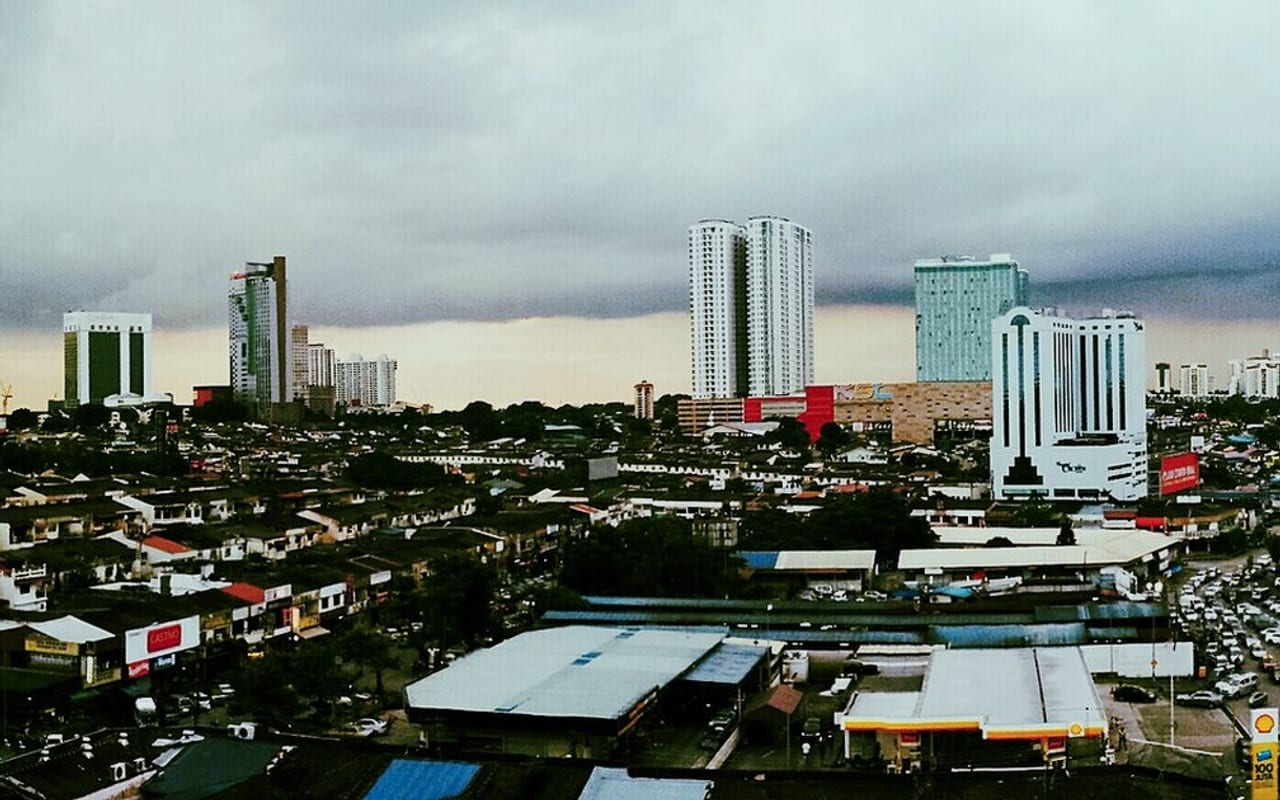
 Is Johor Bahru Safe? An Honest Look for Newcomers
Johor Bahru's safety reputation, examined honestly — what's overblown, what's real, the actual risks, and the common-sense precautions that matter.
17 Feb 2026
 Property & MM2H
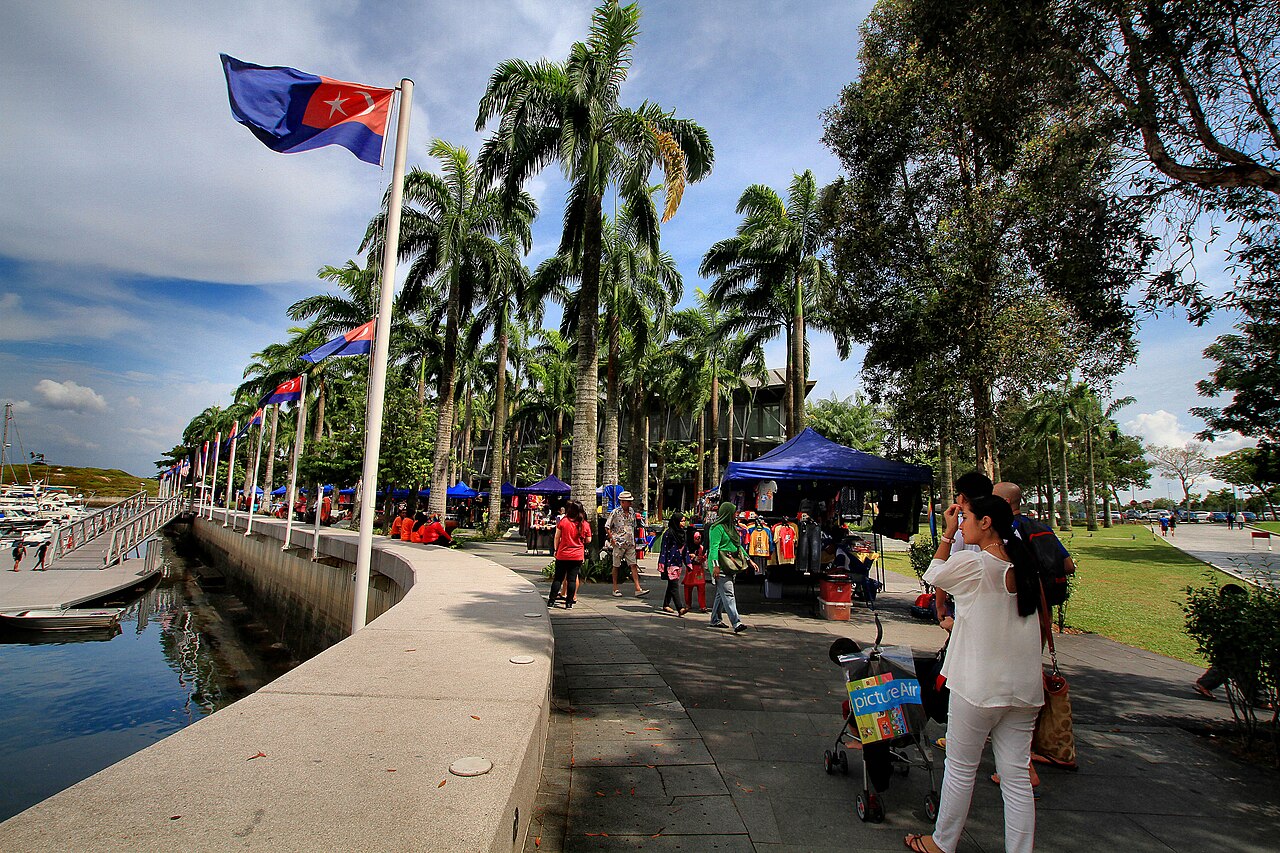
 Buying Property in Iskandar Malaysia: A Foreigner's Guide (2026)
Can foreigners buy property in Johor? Yes — here's how it actually works in Iskandar Malaysia: rules, process, financing, fees, and the mistakes to avoid.
10 Feb 2026
 Travel & Explore
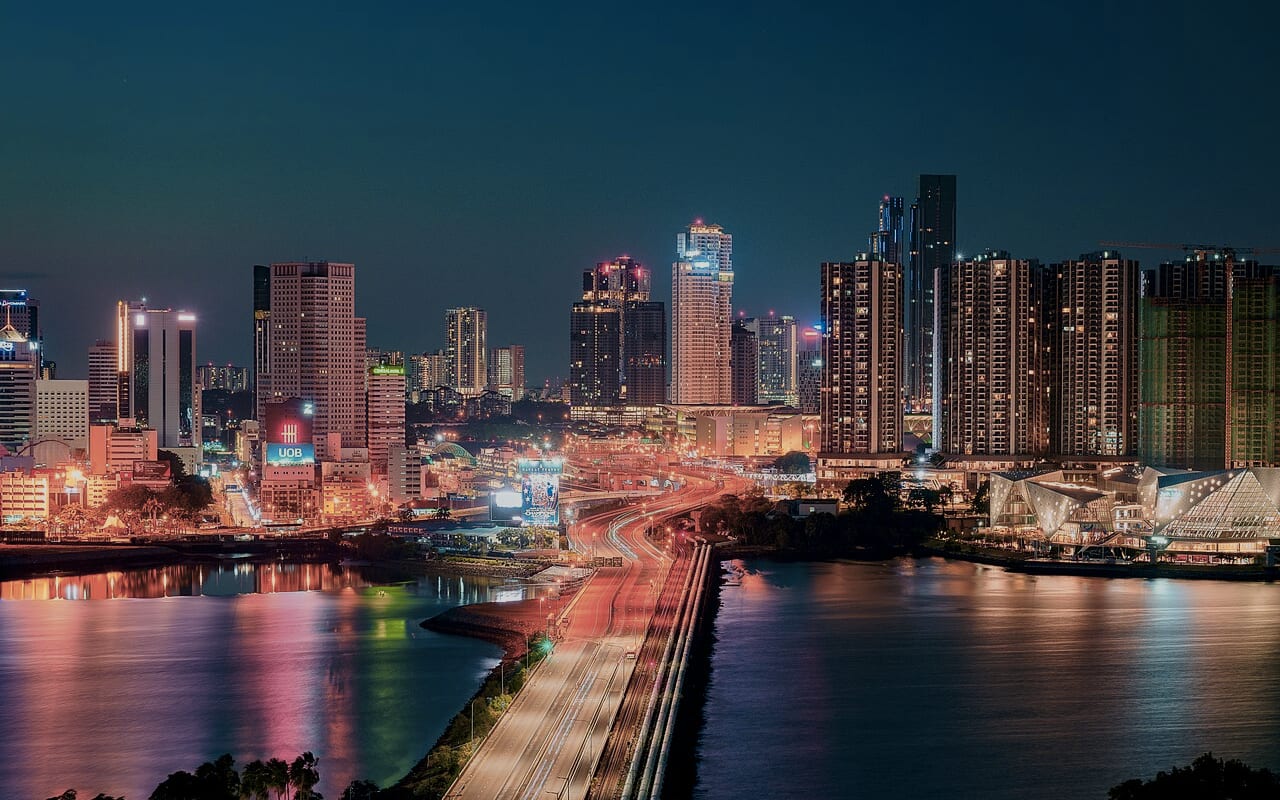
 Crossing the JB–Singapore Border: A Complete Guide
How to cross the Johor Bahru–Singapore border in 2026 — Causeway vs Second Link, VEP and road charges, QR/autogate clearance, peak times, and car vs bus vs motorcycle.
8 Mar 2026