Buying Property in Iskandar Malaysia: A Foreigner's Guide (2026)
Can foreigners buy property in Johor? Yes — here's how it actually works in Iskandar Malaysia: rules, process, financing, fees, and the mistakes to avoid.
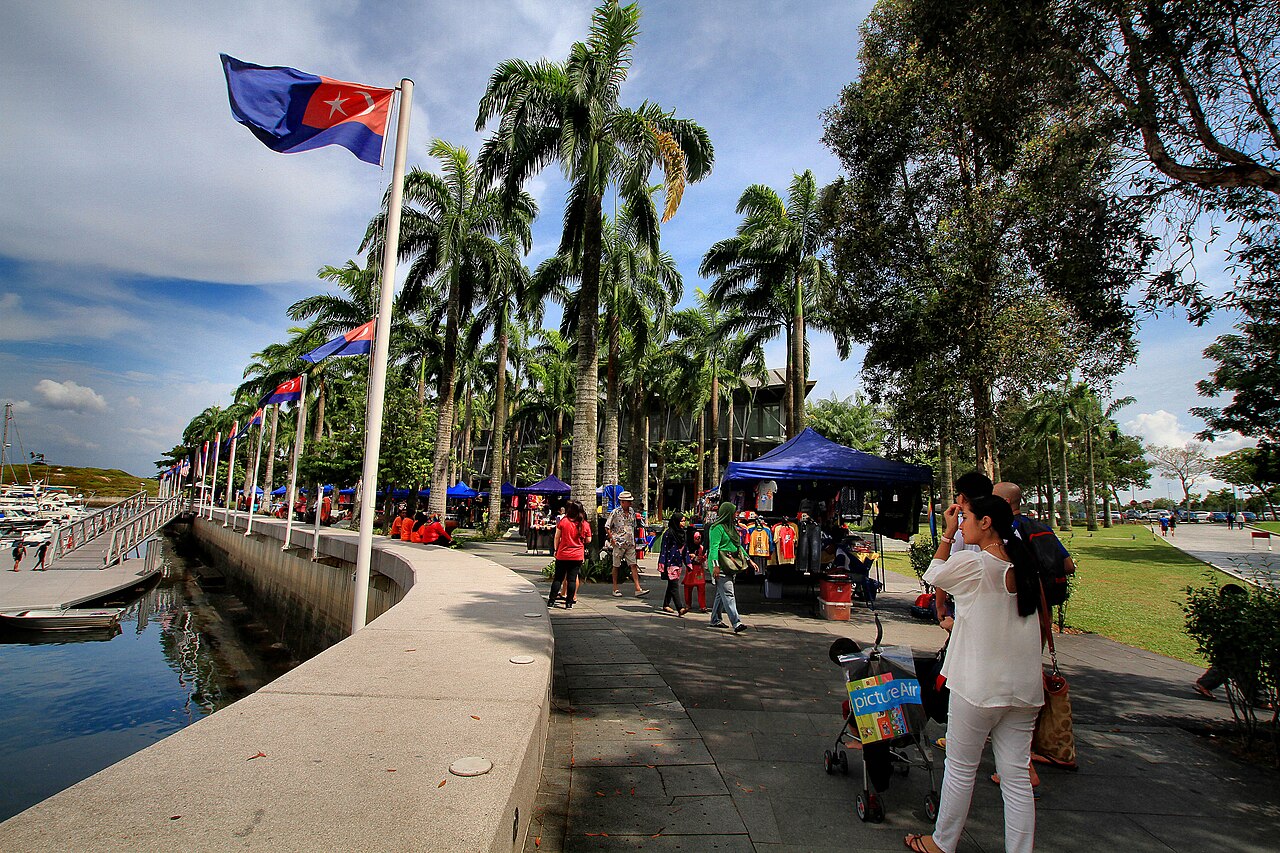
Buying property in Iskandar Malaysia as a foreigner is genuinely straightforward compared with most of the world — Malaysia is one of the few countries that lets foreigners own freehold property outright, in their own name, with no local partner required. But “straightforward” isn’t the same as “no rules.” This guide walks through how it actually works on the ground in Johor, where most of the foreign-buyer questions I get come from.
This is general information, not legal or financial advice. The rules below — especially the price thresholds, taxes and loan limits — vary by state and change over time. Always confirm the current position with a Malaysian conveyancing lawyer before you commit money.
Can foreigners buy property in Malaysia? (Yes, with conditions)
Foreigners can buy and own most types of property in Malaysia, including in Johor. The main conditions are:
- A minimum purchase price. You can only buy property above a set price floor. The point is to keep foreigners out of the affordable-housing tier and in the mid-to-upper market.
- State Authority consent. Most foreign purchases need approval from the relevant State Authority before the title can transfer. Your lawyer handles this.
- Property-type restrictions. Some categories are off-limits to foreigners regardless of price — for example, units on Malay Reserve land, properties allocated to Bumiputera quotas, and (in many states) certain low-cost and agricultural land.
The minimum purchase price — the single most important number
This is the figure every foreign buyer needs to nail down first, because it decides what you’re even allowed to look at.
A few things to understand about it:
- It is set at the state level, not nationally. Johor’s threshold is not necessarily the same as KL’s or Penang’s.
- It can differ within a state — e.g. different floors for landed vs high-rise, or for different zones/projects.
- It changes. Several states have adjusted theirs in recent years, and there have been periodic discussions about lowering thresholds to clear unsold high-rise stock.
So treat any number you read online — including older articles — as possibly out of date.
There are also special zones in Iskandar (Medini being the well-known one) that have historically had different — sometimes more relaxed — rules for foreign buyers. Whether those still apply, and on what terms, is exactly the kind of detail to verify rather than assume.
Freehold vs leasehold
Two ownership types you’ll see constantly:
- Freehold — you own it indefinitely. Generally the more desirable and more liquid on resale.
- Leasehold — you own it for a fixed term (commonly 99 years from when the lease was first granted), after which it reverts to the state unless renewed.
Leasehold isn’t automatically “bad” — plenty of good projects sit on leasehold land, and a 99-year lease with 90+ years remaining behaves much like freehold for most buyers. What matters is the remaining term and how easy renewal is. A leasehold with a short balance left is a real resale and financing problem.
The buying process, step by step
For a typical purchase, the flow looks like this:
- Find the property and negotiate. Sub-sale (resale) usually involves an agent; new launches go through the developer’s sales team.
- Pay the earnest deposit / booking fee and sign a letter of offer or booking form.
- Appoint a conveyancing lawyer. Non-negotiable as a foreigner — they handle the SPA, State Authority consent, and the title transfer.
- Sign the Sale & Purchase Agreement (SPA) and pay the balance of the down payment.
- Apply for State Authority consent (foreign-purchase approval). This step adds time — build it into your expectations.
- Arrange financing if you’re taking a loan (see below), and sign the loan documents.
- Pay stamp duty and complete the transfer. Your lawyer registers the title transfer once everything clears.
Financing as a foreigner
Foreigners can get a mortgage from Malaysian banks, but expect it to be tighter than for locals:
- The maximum loan-to-value (the percentage a bank will lend) is typically lower for foreigners than for citizens, meaning a larger cash down payment.
- Not every bank lends to foreigners, and terms vary by bank, nationality, and whether you have local income.
- Loan tenure and interest rates depend on your profile and the prevailing rate environment.
Many foreign buyers — especially Singaporeans buying nearby JB property — simply pay cash or bring financing from home, which sidesteps the local-loan hurdle entirely.
Fees and taxes to budget for
The headline price is never the full cost. Budget for these on top:
| Cost | What it is | Rough figure |
|---|---|---|
| Stamp duty on transfer (MOT) | Government tax on the title transfer | Foreign buyers: a flat 8% of the price. (The tiered 1%–4% scale you’ll see quoted online applies to Malaysian citizens only.) |
| Stamp duty on the loan agreement | Tax on the financing facility, if you take a loan | 0.5% of the loan amount |
| Legal fees (SPA + loan) | Conveyancing lawyer’s scaled fees | ~1% of the price on a tapering statutory scale (budget ~RM10k–20k on a RM1m purchase) |
| Johor foreign-buyer levy (this is the state-consent fee — one charge, not two) | The charge for state approval to let a foreigner take the title — Johor raised it on 1 July 2025 | 3% of the price, min RM30,000 for most property. Commercial title (incl. serviced apartments) under RM1m: 3%, min RM50,000. Industrial: 4%, min RM30,000 |
| MOT registration fee (Johor Land Office) | Fixed fee to register the transfer, revised 1 Sep 2025 | Tiered fixed fee, roughly RM2,500–RM4,500+ by price band |
| Agent fee (sub-sale) | Regulated tariff, normally paid by the seller | Up to 3% of the price (seller pays) |
| Real Property Gains Tax (RPGT) | Tax on profit when you sell, higher for foreigners | Foreigners/non-citizens: 30% if sold within 5 years · 10% from the 6th year onward |
These are as of May 2026. RPGT and loan stamp duty are federal; the 8% transfer stamp duty applies to foreign buyers, and the foreign-buyer levy and registration fee are set by the Johor state government (both raised in mid-2025).
Add it up before you fall in love with a unit — foreign buying costs in Johor are heavy. Between the 8% stamp duty and the 3% levy (min RM30k–50k), plus legal fees and the registration fee, a foreign buyer typically pays around 12–15% of the price in transaction costs on top of the headline price — and more on smaller units where the levy’s minimum floor bites.
Watch the title type — this is the trap most foreign buyers miss. Many of JB’s high-rise units near the CIQ checkpoint are built on commercial title (serviced apartments / SOHO / SOVO), not residential title. For a sub-RM1m commercial-title unit the levy floor is RM50,000, not RM30,000. On a RM600,000 serviced apartment that’s RM48,000 stamp duty plus a RM50,000 levy plus legal fees — well over RM100,000, roughly 17% of the price — before you’ve furnished anything. Always confirm whether a unit is residential or commercial title before you budget.
A practical rule I give people: assume meaningful transaction costs on top of the price, and remember RPGT can take a real bite if you sell early — so factor in your holding horizon before you buy.
Primary (new launch) vs sub-sale
Both are open to foreigners; they behave very differently.
Primary / new launch (from the developer):
- Often comes with rebates, furnishing packages, or absorbed legal fees.
- For projects still under construction, you’re buying on a progressive payment schedule and waiting for completion — carrying delivery risk.
Sub-sale (buying an existing unit from an owner):
- You see the actual unit, the actual building, and the real surrounding area — no surprises.
- Pricing is set by the market, not the developer’s price list.
The big mistakes foreign buyers make
- Assuming the minimum price / rules are the same as some article they read. They change by state and over time — verify current.
- Buying off-plan in an oversupplied segment and discovering weak rental demand and soft resale on completion.
- Skipping the lawyer or using the developer’s panel lawyer without question — you want someone clearly acting for you.
- Ignoring exit costs — RPGT and a thin resale market can erase a “paper gain” if you sell too soon.
Where to go next
Buying in Iskandar as a foreigner is very doable — but the value is entirely in getting the current numbers right and the right property, not just a legal-to-buy one. A few things to line up alongside this:
- The MM2H visa is separate from buying property (you don’t need MM2H to buy) — see our MM2H 2026 guide if you’re planning to actually live here.
- If you’re relocating, not just investing, start with our complete Johor Bahru relocation guide.
If you want a straight answer on a specific area, project, or budget, get in touch — this is what I do here in Iskandar every day, and I’d rather you ask before you sign than after.
About the author
Chris Tan lives and works in Johor Bahru, Malaysia, helping people relocate to and buy property in the Iskandar region. Questions about your move? Get in touch.
Keep reading
 Property & MM2H
 Forest City SEZ MM2H: The Lowest-Deposit Route (2026)
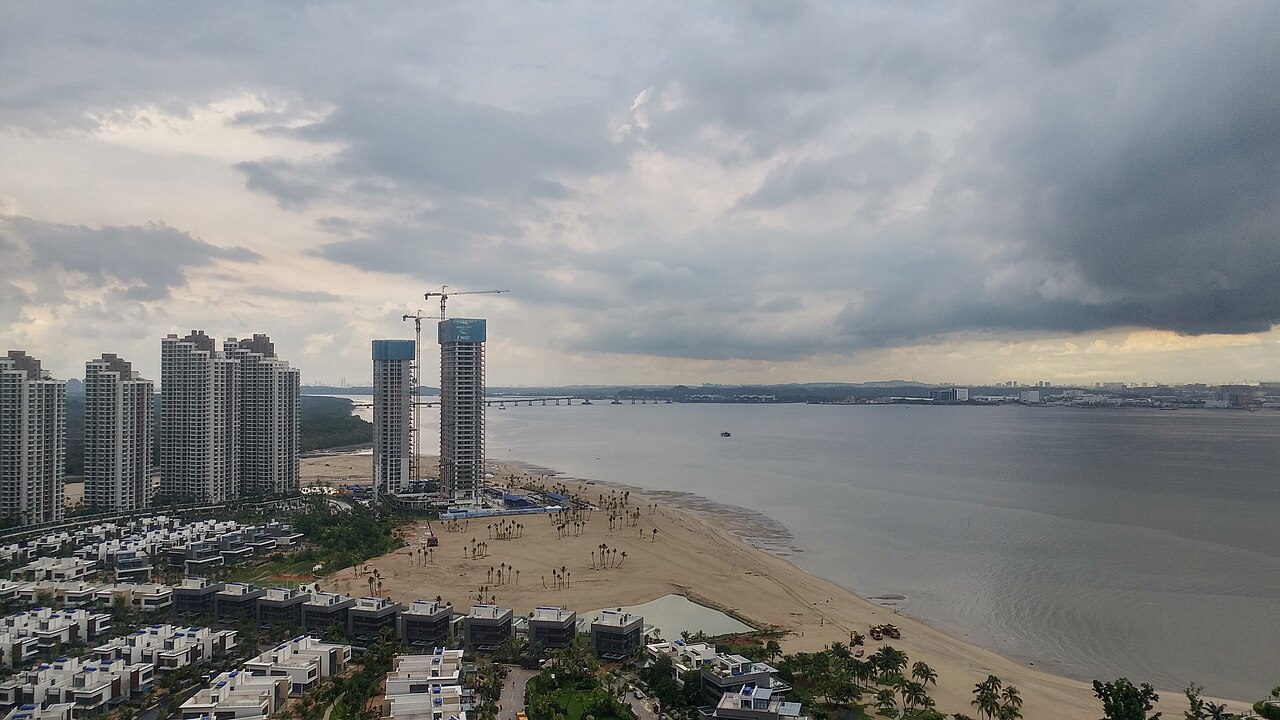
The Johor SEZ tier is the cheapest way into MM2H — a USD32k–65k deposit, a 10-year visa, and a compulsory Forest City property. Here's the honest breakdown.
24 Feb 2026
 Property & MM2H
 MM2H 2026: The Complete Guide to Malaysia My Second Home
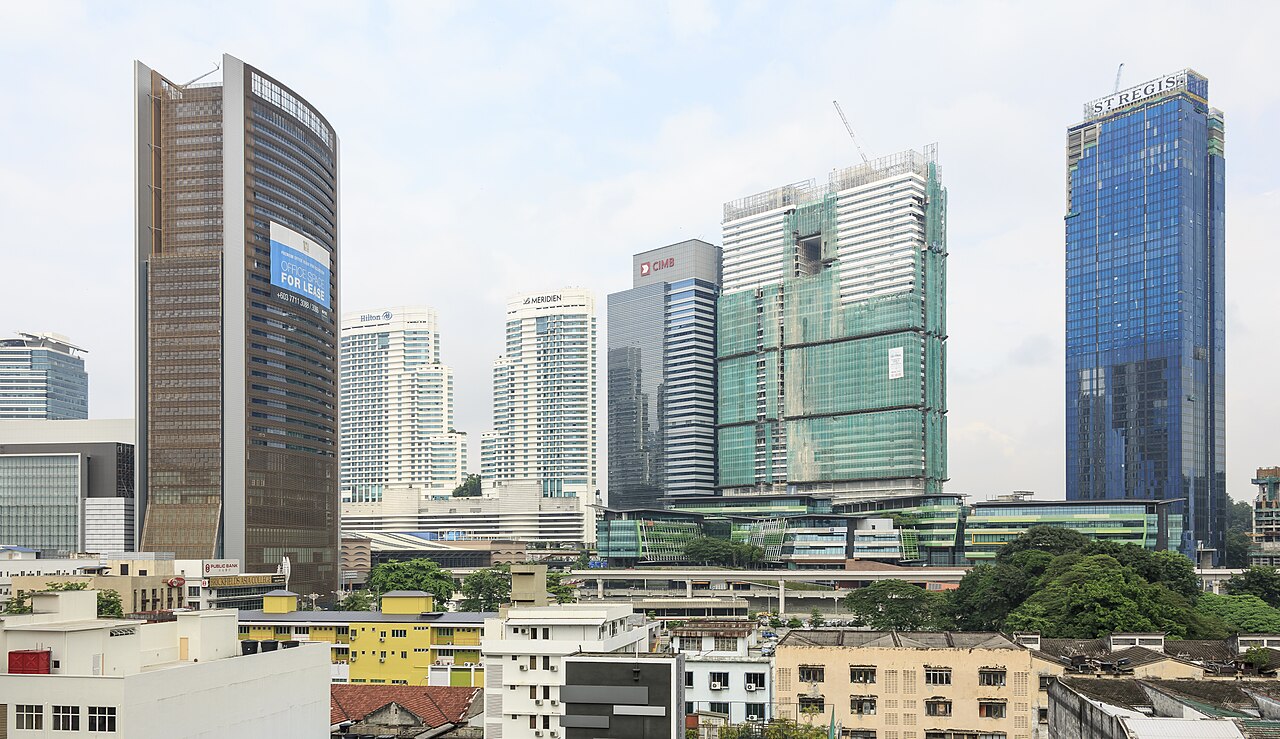
How the MM2H visa actually works in 2026 — the federal vs Johor tier, the process, documents, and what to watch for. An honest, ground-level guide.
8 Feb 2026
 Property & MM2H
 How to Apply for MM2H: Process & Documents (2026)
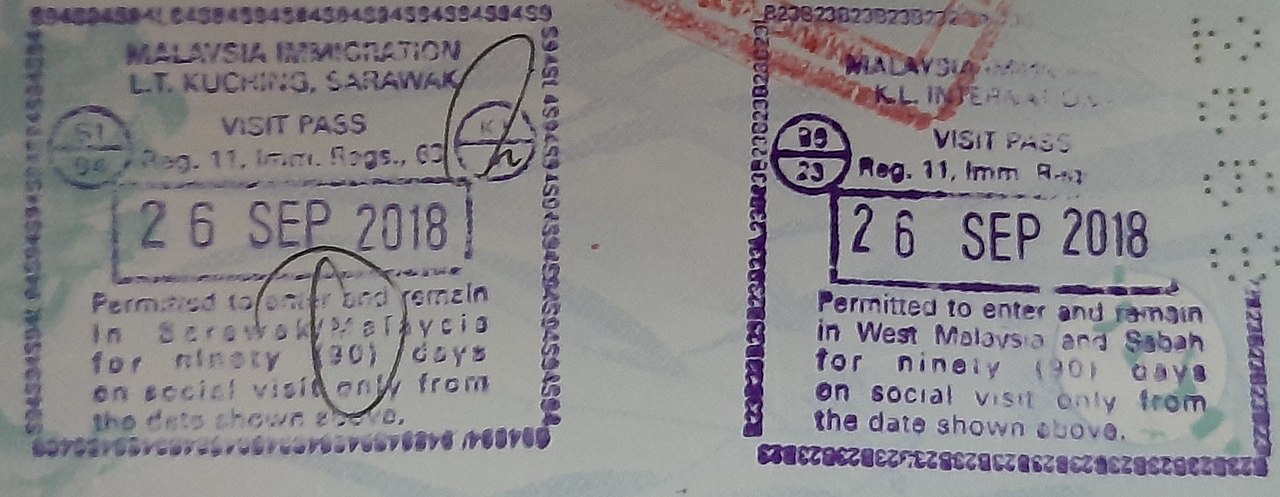
The MM2H application process step by step in 2026 — eligibility, the documents you'll need, certification and translation, and a realistic timeline.
14 Feb 2026
 Property & MM2H
 MM2H FAQ: Your Questions Answered (2026)
Straight answers to the most common MM2H questions in 2026 — minimum stay, the fixed deposit, working, property, timelines, and whether it leads to PR.
23 Feb 2026
 Moving to Malaysia
 Best Areas to Live in Johor Bahru: A Neighbourhood Guide
Where to live in Johor Bahru — JB city, Bukit Indah, Iskandar Puteri, Mount Austin and more, compared by lifestyle, commute to Singapore, and who each suits.
7 Feb 2026
 Moving to Malaysia
 Cost of Living in Johor Bahru 2026: A Real Monthly Budget
What it actually costs to live in Johor Bahru each month — rent, utilities, food, transport — broken down for singles and couples. Real figures, dated.
4 Feb 2026