Old-School Kopitiam Culture in Johor Bahru
A local's guide to old-school kopitiam in Johor Bahru — what to order, how to read the coffee lingo, where to find the heritage cafes and rough 2026 prices.
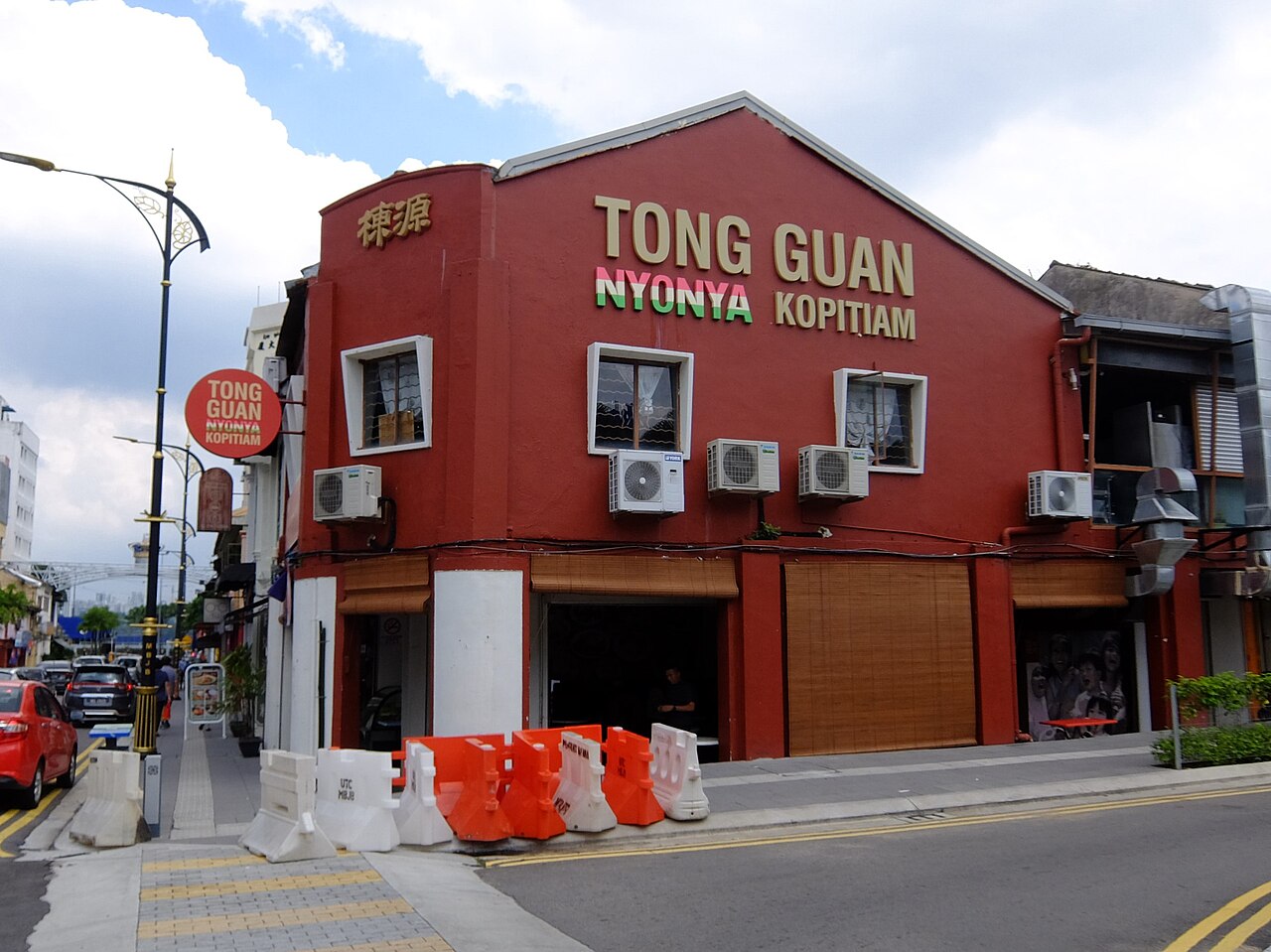
Before JB had cafés with flat whites and exposed brick, it had kopitiam — old coffee shops with marble-top tables, ceiling fans, and a kopi (coffee) so strong and sweet it could wake the dead. Many were started by Hainanese immigrants decades ago, and a handful are still going, run by the same families, serving the same breakfast they have for half a century. If you want to understand JB, you start here, over a cup of kopi and a slab of kaya toast.
This is a guide to that world — what to order, how to speak the coffee language, and where the real old-school spots are.
What a kopitiam actually is
A traditional kopitiam is a no-frills coffee shop. Tiled or terrazzo floor, marble or formica tables, plastic stools, an old uncle behind the counter working a sock-filter coffee setup, and often a few hawker stalls inside renting space. It’s loud, it’s unpretentious, and it’s where locals have breakfast and a chat before the day starts.
The coffee itself is Nanyang-style — beans roasted with sugar and margarine, ground, and brewed strong through a cloth “sock” filter. It’s nothing like a Western espresso. It’s dark, thick, and built to be drunk with condensed or evaporated milk and sugar.
How to order — the kopi lingo
The first time you order, the menu seems to make no sense. Here’s the code:
- Kopi — coffee with condensed milk (sweet). The default.
- Kopi O — black coffee with sugar, no milk. (“O” is Hokkien for “black.”)
- Kopi C — coffee with evaporated milk and sugar (less sweet, more “milky”).
- Kopi kosong — no sugar (kosong means “empty/zero”).
- Kopi peng / ais — iced.
- Teh — the same system with tea. Teh tarik is the famous “pulled” milk tea, poured between cups to froth it.
- Milo — the malt drink Malaysians treat as a national beverage. Milo dinosaur is a Milo drink with extra Milo powder piled on top.
Mix and match: “kopi C kosong peng” is iced coffee with evaporated milk and no sugar. Say it confidently and the uncle will nod like you’re a regular.
What to eat
Kopitiam breakfast is a tight, perfect menu. Prices below are rough, as of 2026 — most of this is a few ringgit:
- Kaya toast — toasted bread (sometimes charcoal-grilled) with kaya (coconut-egg jam) and a thick slab of cold butter. The classic. Often a couple of ringgit.
- Soft-boiled eggs — two eggs cracked into a saucer, runny, seasoned with soy sauce and white pepper. You dip the toast in. Non-negotiable pairing.
- Half-boiled egg and toast set — the eggs plus toast plus a drink, the standard breakfast combo.
- Hainanese chicken chop — a heritage dish at the older Hainanese shops: a fried chicken cutlet under a thick brown sauce. Heavier, more of a lunch.
- Nasi lemak, mee, kuih — many kopitiam host stalls selling these alongside, so you can build a fuller meal.
Where to find the real ones
The heart of old-school JB coffee culture is the old town, around Jalan Trus, Jalan Tan Hiok Nee and the surrounding heritage streets near City Square.
- Hua Mui (华美) on Jalan Trus is the icon — a Hainanese coffee shop running since 1946, in a two-storey pre-war shophouse with the old verandah architecture still intact. It’s famous for its Hainanese chicken chop, butter-kaya toast and traditional Nanyang coffee, and it’s the place most people associate with the old JB breakfast ritual. It gets busy, especially with day-trippers, so go early.
- The wider old-town streets around Tan Hiok Nee Heritage Walk hold other long-running coffee shops and kopitiam-style spots worth wandering into. This compact, walkable quarter is the best place to soak up the heritage atmosphere along with your coffee.
Restoran Hua Mui (华美)
- 🕐 Hours
- Daily 8.30am–5.30pm
- 📍 Address
- 131 Jalan Trus, Bandar Johor Bahru, 80000 Johor Bahru
Beyond the old town, you’ll find traditional kopitiam scattered across the older residential neighbourhoods too — the unglamorous corner shop in a taman is often where the locals actually go.
Honest tips
- Go early. Kopitiam are breakfast institutions. Many open around 7 or 8am and the best ones are busiest mid-morning; some wind down by mid-afternoon. The popular old-town spots draw queues on weekends.
- Bring cash. Plenty take e-wallets now, but the most old-school places are happiest with notes and coins.
- Share tables. At busy times you may be seated with strangers. That’s normal — it’s communal, not rude.
- Order at the counter or to the uncle. Drinks usually come from the shop owner; food from the individual stalls. Pay each separately. It feels chaotic the first time and obvious the second.
- Don’t expect Western coffee. If you want a latte, plenty of modern cafés exist. The kopitiam is its own thing — lean into the sweet, strong local cup rather than judging it by café standards.
Where it fits
Kopitiam culture is JB at its most authentic and most affordable — a full local breakfast for the price of a single Singapore coffee, served in a room that hasn’t changed in decades. It’s the easiest, cheapest way to feel the city’s history, and it pairs perfectly with a morning wandering the old-town heritage streets.
For more on the area, see our things to do in Johor Bahru guide, and the cost of living in Johor Bahru breakdown shows just how little a daily kopi habit costs here. Browse more local guides on the Johor Bahru explore page.
Order a kopi, dip your toast in the egg, and you’re doing JB mornings right.
About the author
Chris Tan lives and works in Johor Bahru, Malaysia, helping people relocate to and buy property in the Iskandar region. Questions about your move? Get in touch.
Keep reading
 Travel & Explore
 Best Time to Visit Malaysia: Weather, Seasons & Crowds
When to visit Malaysia depends on where you go. A region-by-region guide to monsoons, haze, heat, school holidays and 2026 festival dates from someone who lives here.
2 Mar 2026
 Travel & Explore
 Crossing the JB–Singapore Border: A Complete Guide
How to cross the Johor Bahru–Singapore border in 2026 — Causeway vs Second Link, VEP and road charges, QR/autogate clearance, peak times, and car vs bus vs motorcycle.
8 Mar 2026
 Travel & Explore
 Bak Kut Teh in Johor Bahru: Where to Go
A local guide to bak kut teh in Johor Bahru — Shoon Huat, Hwa Mei, Kota Tinggi style, the difference between herbal and peppery broth, and rough 2026 prices.
6 Mar 2026
 Travel & Explore
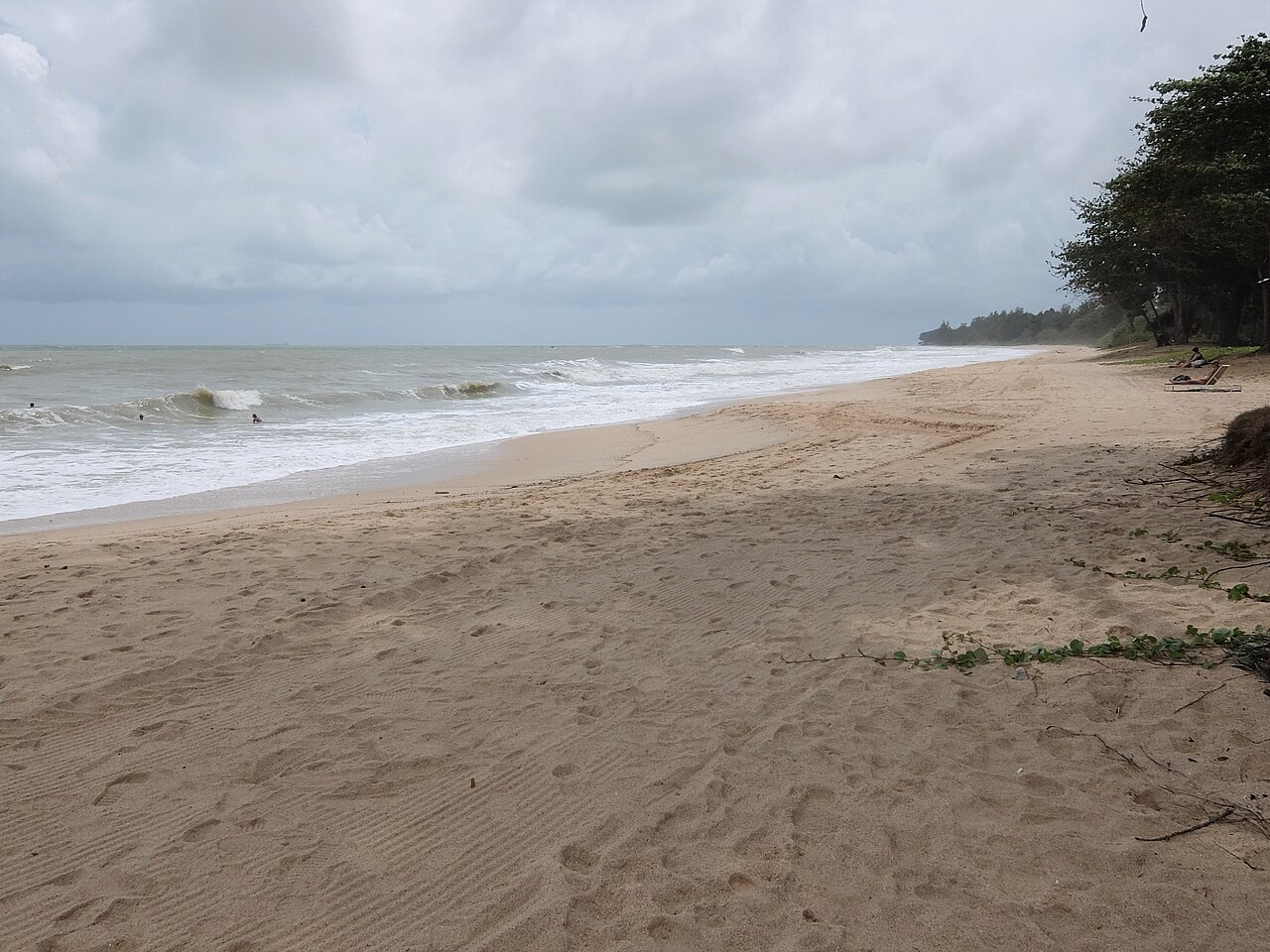
 Beaches Near Johor Bahru
A local's guide to beaches near Johor Bahru — Desaru Coast, Tanjung Balau, Tanjung Piai and more, with drive times, rough 2026 costs and honest expectations.
11 Mar 2026
 Moving to Malaysia
 Best Areas to Live in Johor Bahru: A Neighbourhood Guide
Where to live in Johor Bahru — JB city, Bukit Indah, Iskandar Puteri, Mount Austin and more, compared by lifestyle, commute to Singapore, and who each suits.
7 Feb 2026
 Property & MM2H
 Buying Property in Iskandar Malaysia: A Foreigner's Guide (2026)
Can foreigners buy property in Johor? Yes — here's how it actually works in Iskandar Malaysia: rules, process, financing, fees, and the mistakes to avoid.
10 Feb 2026