Best Halal Food in Johor Bahru
A local guide to halal food in Johor Bahru — nasi lemak, Laksa Johor, mee rebus, satay, nasi kandar, where to find them and rough 2026 prices for Muslim travellers.
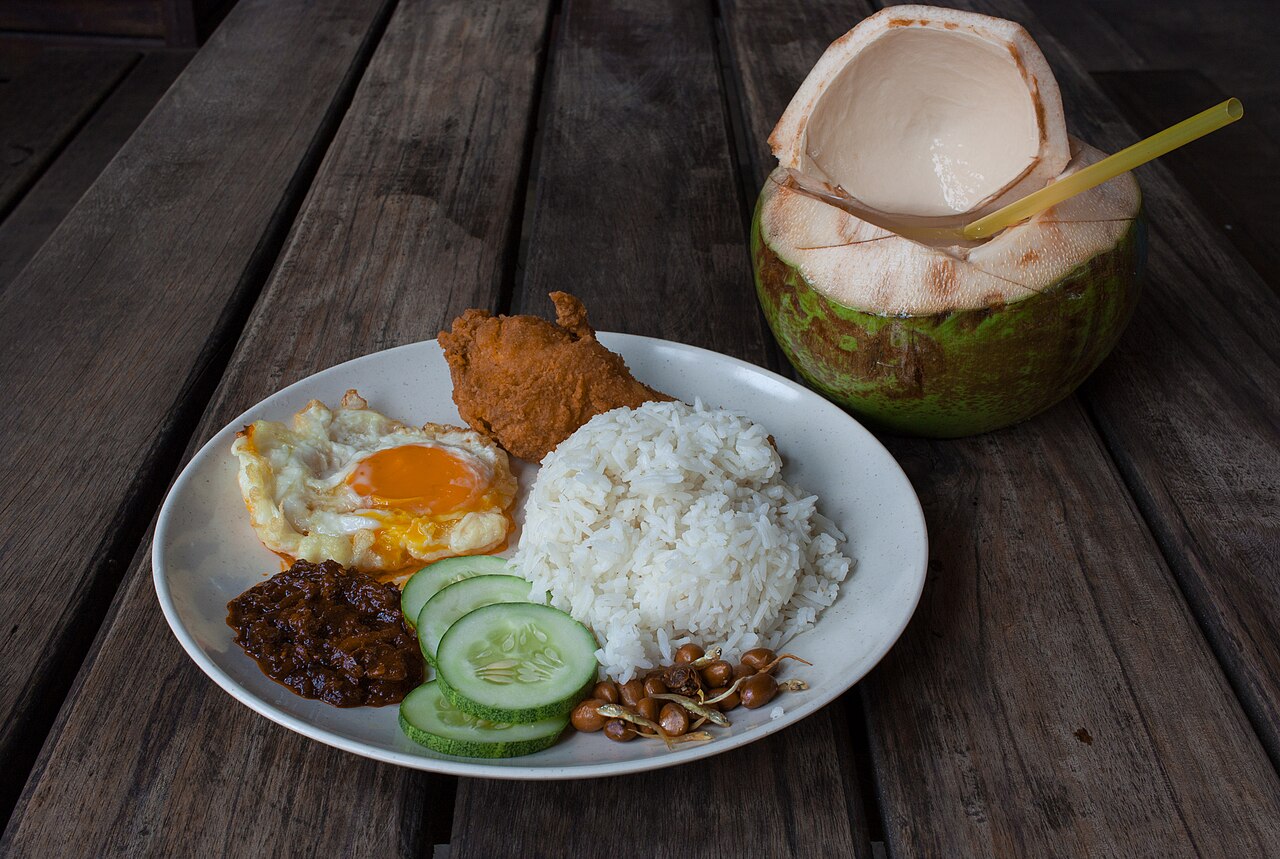
Eating halal in JB is easy — most of the city’s food is, and the Malay food scene here is some of the best in the country. Johor has its own distinct dishes you won’t find done the same way elsewhere, and as someone who eats across all of JB’s cuisines, I think the Malay and Muslim-Indian food is genuinely underrated by visitors who come chasing seafood and dim sum. This is a guide to what to eat, where, and roughly what it costs as of 2026.
For the wider city picture, our Johor Bahru explore guide covers everything else. Here we focus on halal eating.
The Johor dishes you have to try
Johor’s Malay cuisine has signatures that locals are fiercely proud of. Order these and you’re eating the real thing.
Laksa Johor — the dish JB will argue about with anyone. Unlike the laksa you find up north, the Johor version has a thick fish-and-coconut gravy, and it’s traditionally served with spaghetti rather than rice noodles, a colonial-era quirk that genuinely throws first-timers. Topped with raw herbs, bean sprouts and a squeeze of lime. Around RM7–12 a bowl.
Mee rebus — yellow noodles in a thick, sweet-savoury gravy thickened with sweet potato, topped with boiled egg, green chilli, fried shallots and a wedge of lime. A breakfast and lunch staple, RM6–9. The version with sup tulang (bone marrow) is a JB special worth seeking out.
Nasi lemak — coconut rice with sambal, fried anchovies, peanuts, egg and cucumber, with add-ons like fried chicken or rendang. The national breakfast. A basic plate is RM3–6; loaded up it’s RM8–15.
Satay — grilled marinated skewers with peanut sauce, ketupat (rice cakes) and raw onion. Best at night. Around RM1 a stick with a minimum order.
Rendang — beef or chicken slow-cooked in spiced coconut gravy until intensely rich and almost dry. A festive dish you’ll find at nasi campur stalls year-round.
Where to eat halal in JB
Hua Mui
A JB institution, and importantly it’s halal, so it’s a great single stop for a mixed group. Famous for the Hainanese-style chicken chop, nasi lemak, mee rebus and proper local coffee. Expect a queue at peak times; mains around RM10–18.
Restoran Hua Mui
- 🕐 Hours
- Daily ~8am–5pm
- 📍 Address
- 131, Jalan Trus, Bandar Johor Bahru, 80000 Johor Bahru
Kampung Melayu Majidee and the Malay food streets
For the most authentic Malay spread, head to the established Malay neighbourhoods. Kampung Melayu Majidee is well known for its Malay food, including a famous ABC (ice kacang) stall. Around the older Malay kampung areas and near the mosques, you’ll find halal satay, grilled fish (ikan bakar), roti canai and traditional rice dishes done by people who’ve made them for decades.
Nasi kandar and mamak
JB’s mamak (Indian-Muslim) scene is everywhere and open late. Nasi kandar — rice with your pick of curries and sides, all the gravies mixed together (“banjir”) — is the go-to for a cheap, fast, halal meal at any hour. A plate runs RM7–15 depending on what you pile on. Mamak shops are also where you get roti canai (flaky flatbread with dhal and curry, RM1.50–4), maggi goreng, teh tarik and late-night supper.
Restoran ZZ Sup Tulang
A local favourite for mee rebus tulang — the noodles with rich gravy and bone marrow you suck straight from the bone. Soft, chewy noodles, deeply comforting broth. A proper JB experience and very much a locals’ spot.
Restoran ZZ Sup Tulang
Local favourite for mee rebus tulang. Check live hours on Maps.
Open in Google Maps (photos & live hours) →Nasi campur: the everyday meal
If you remember one strategy for eating halal in JB, make it nasi campur (mixed rice). You walk up to a spread of cooked dishes — curries, fried chicken, vegetables, sambal, fish, rendang — point at what you want over rice, and they price it by what you took. It’s the lunch of working JB, it’s halal, it’s everywhere, and a generous plate usually comes to RM7–14. Nothing teaches you Malay home cooking faster.
Practical notes for Muslim travellers
- Halal is the default, not the exception. The vast majority of JB’s eateries are halal or halal-certified, including most mamak, Malay and even many Chinese-Muslim spots. Non-halal places (pork-serving Chinese restaurants, some bars) are clearly what they are.
- Look for the JAKIM logo if you want certified assurance — many restaurants display it. Malay and mamak stalls are halal as a matter of course even without signage.
- Prayer facilities are easy. Surau (prayer rooms) are in nearly every mall and most larger eateries, and mosques are plentiful across the city.
- Ramadan bazaars are spectacular. If you’re here during the fasting month, the evening bazaars are an event in themselves — endless stalls of food for breaking fast. Worth planning around.
What it costs, roughly
As of 2026, halal eating in JB is very affordable. A nasi campur or nasi kandar plate runs RM7–15, a bowl of laksa Johor or mee rebus RM6–12, and a sit-down meal at a place like Hua Mui around RM12–20 a head. Mamak supper — roti, noodles, teh tarik — can come in under RM15 for a proper feed. That low everyday cost is one of the real perks of life here, and we break it all down in our cost of living in Johor Bahru guide.
A simple halal food day
Start with nasi lemak and teh tarik at a mamak or Malay kopitiam. Have laksa Johor or mee rebus tulang for lunch. Graze a Malay food street or kampung in the late afternoon for satay and grilled fish, and finish with a cold ABC. That’s a full day of Johor’s halal greatest hits, eaten for less than one restaurant dinner across the border.
Pair it with the rest of our things to do in Johor Bahru ideas and you’ve got a proper weekend. JB’s halal food doesn’t need dressing up — it’s just consistently, reliably good.
About the author
Chris Tan lives and works in Johor Bahru, Malaysia, helping people relocate to and buy property in the Iskandar region. Questions about your move? Get in touch.
Keep reading
 Travel & Explore
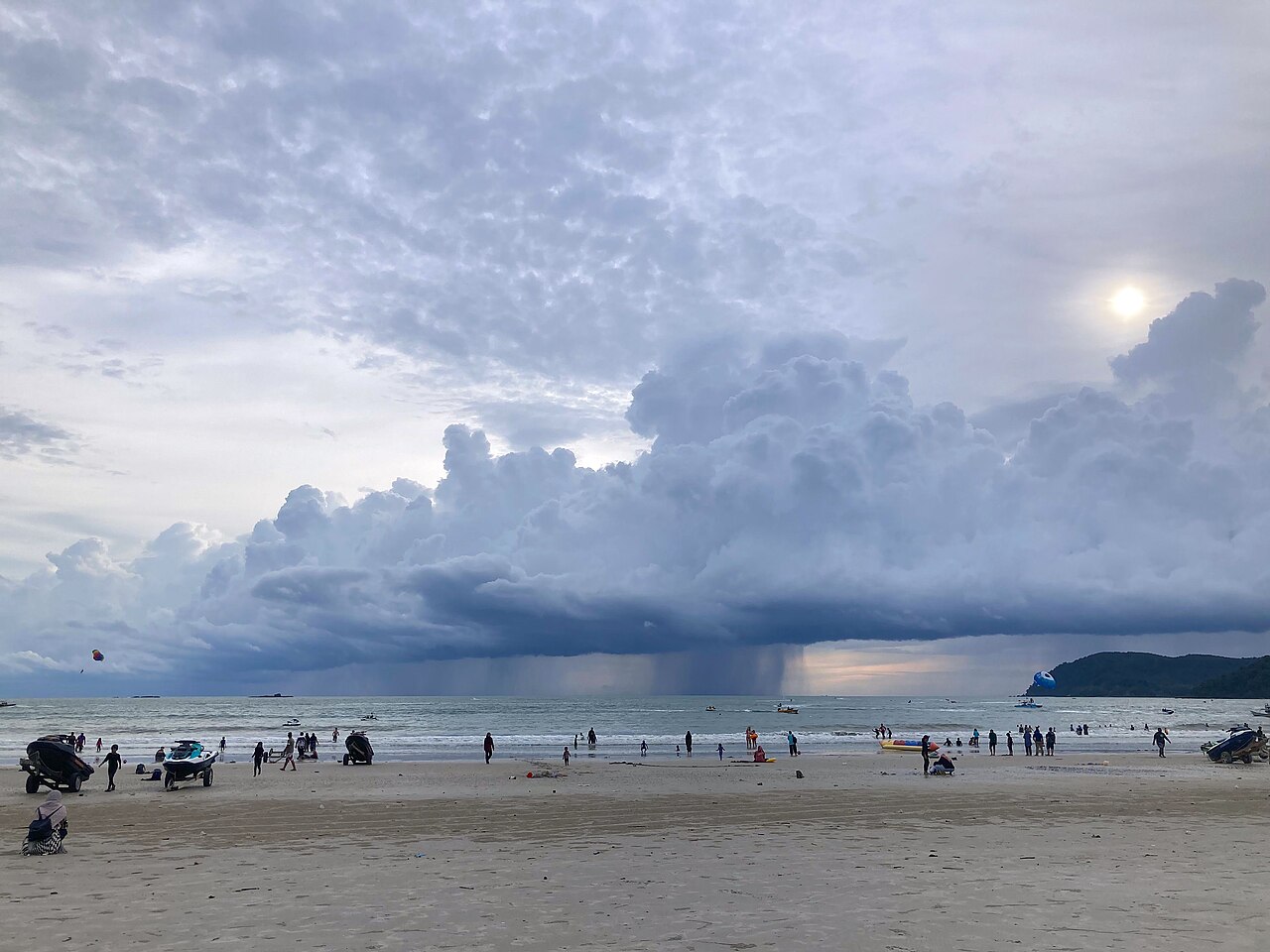
 Best Time to Visit Malaysia: Weather, Seasons & Crowds
When to visit Malaysia depends on where you go. A region-by-region guide to monsoons, haze, heat, school holidays and 2026 festival dates from someone who lives here.
2 Mar 2026
 Travel & Explore
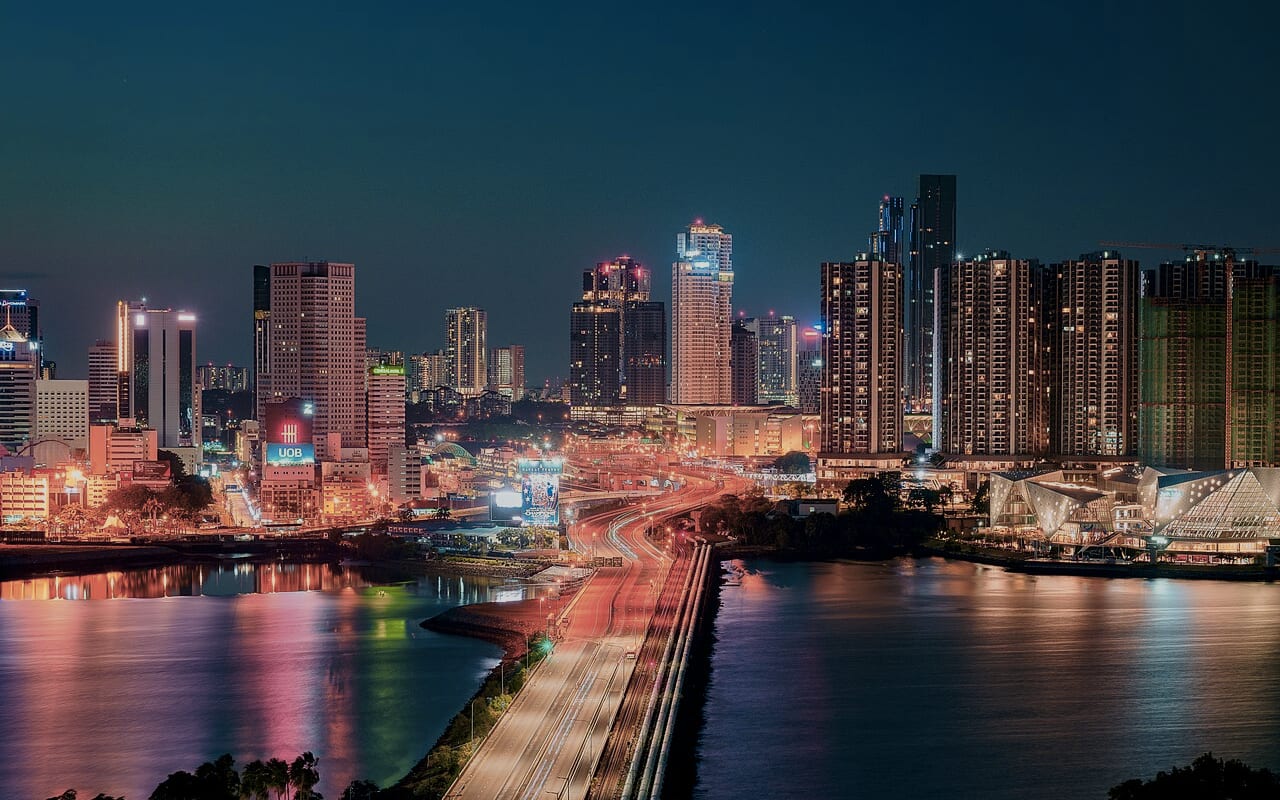
 Crossing the JB–Singapore Border: A Complete Guide
How to cross the Johor Bahru–Singapore border in 2026 — Causeway vs Second Link, VEP and road charges, QR/autogate clearance, peak times, and car vs bus vs motorcycle.
8 Mar 2026
 Travel & Explore
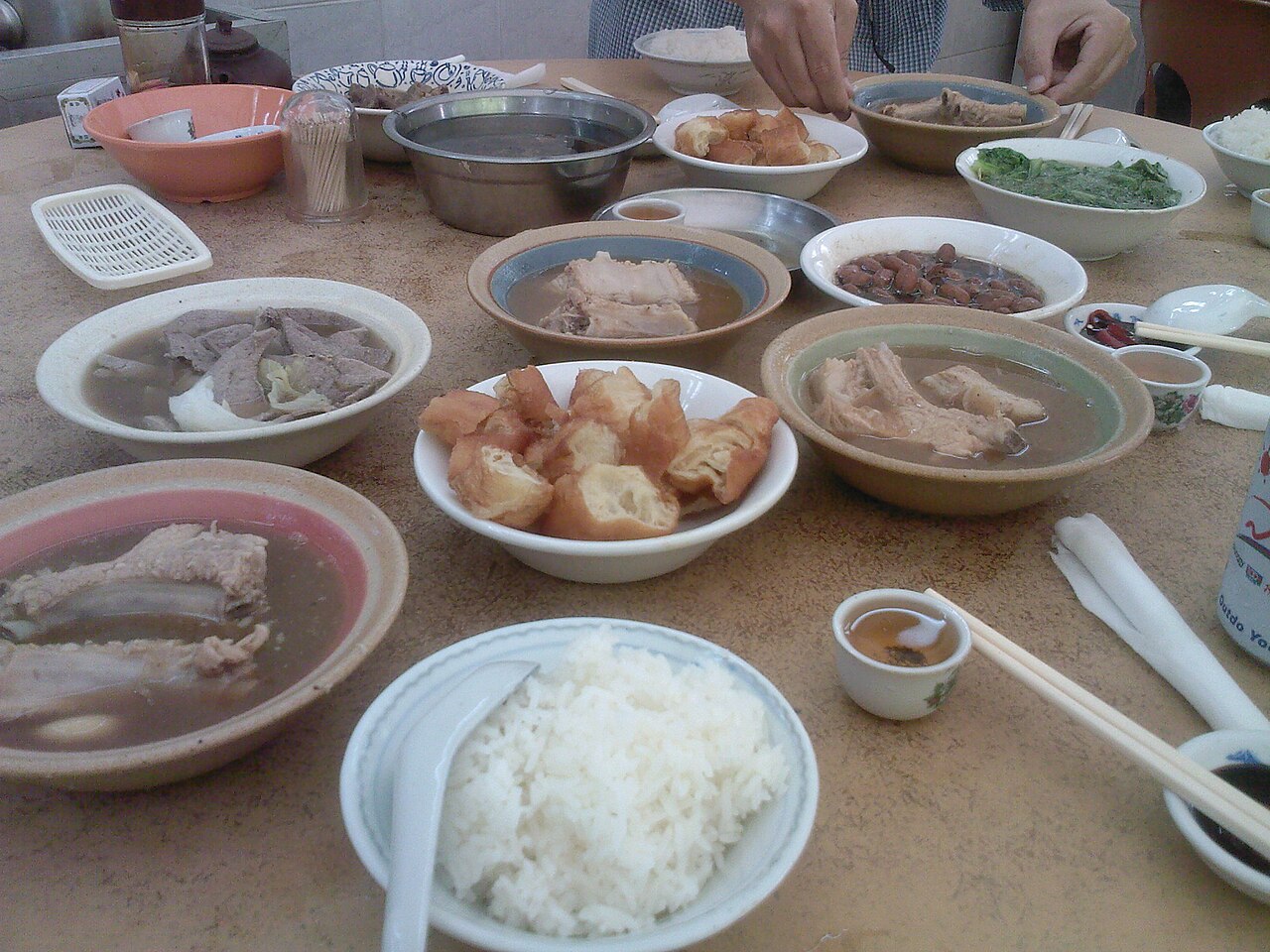
 Bak Kut Teh in Johor Bahru: Where to Go
A local guide to bak kut teh in Johor Bahru — Shoon Huat, Hwa Mei, Kota Tinggi style, the difference between herbal and peppery broth, and rough 2026 prices.
6 Mar 2026
 Travel & Explore
 Beaches Near Johor Bahru
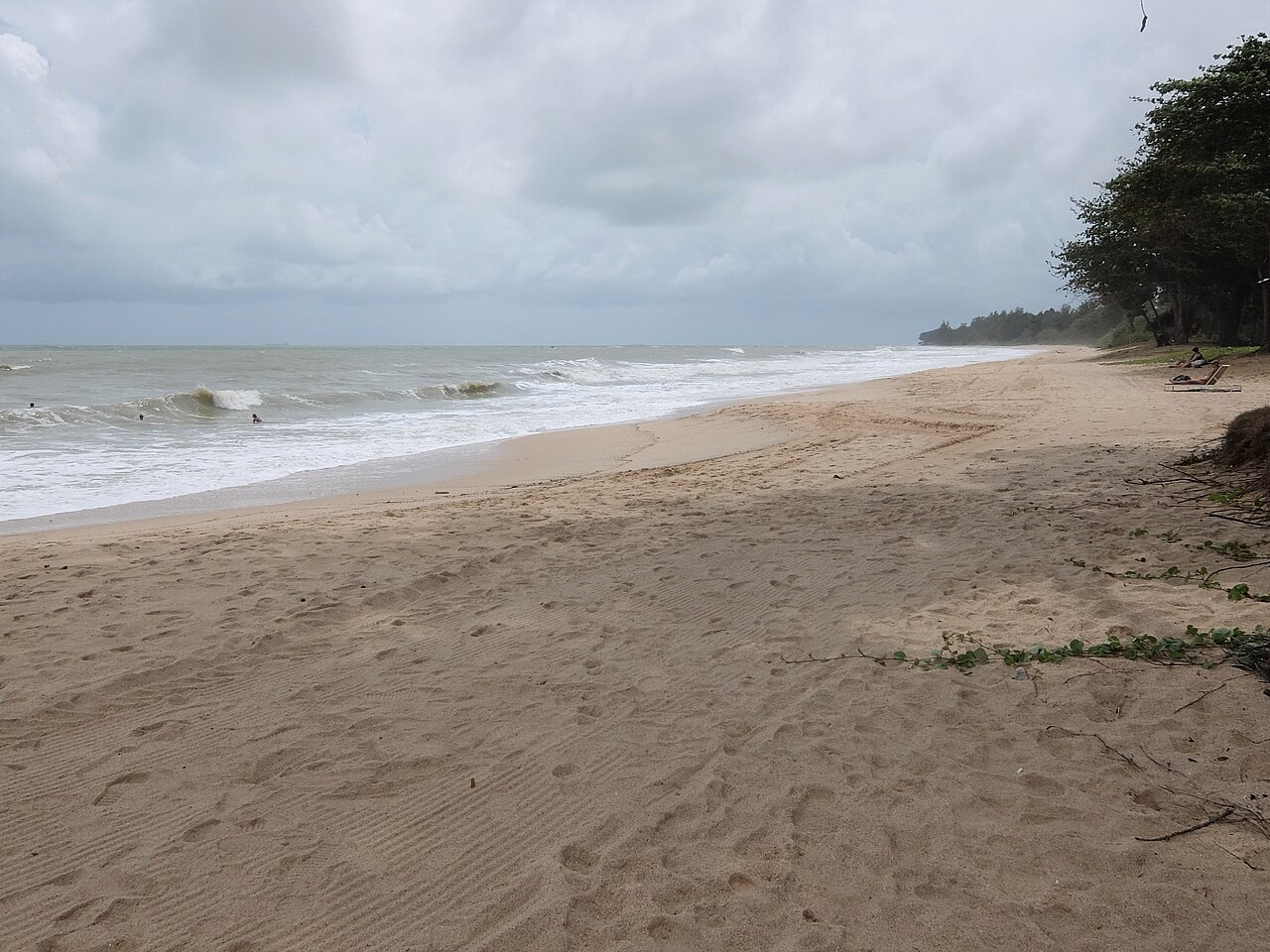
A local's guide to beaches near Johor Bahru — Desaru Coast, Tanjung Balau, Tanjung Piai and more, with drive times, rough 2026 costs and honest expectations.
11 Mar 2026
 Moving to Malaysia
 Best Areas to Live in Johor Bahru: A Neighbourhood Guide
Where to live in Johor Bahru — JB city, Bukit Indah, Iskandar Puteri, Mount Austin and more, compared by lifestyle, commute to Singapore, and who each suits.
7 Feb 2026
 Property & MM2H
 Buying Property in Iskandar Malaysia: A Foreigner's Guide (2026)
Can foreigners buy property in Johor? Yes — here's how it actually works in Iskandar Malaysia: rules, process, financing, fees, and the mistakes to avoid.
10 Feb 2026