Malaysia Travel Budget: How Much a Trip Really Costs
Realistic daily Malaysia travel budgets in RM and USD for backpacker, mid-range and comfort travellers — accommodation, food, Grab, trains, flights and sample trip costs.
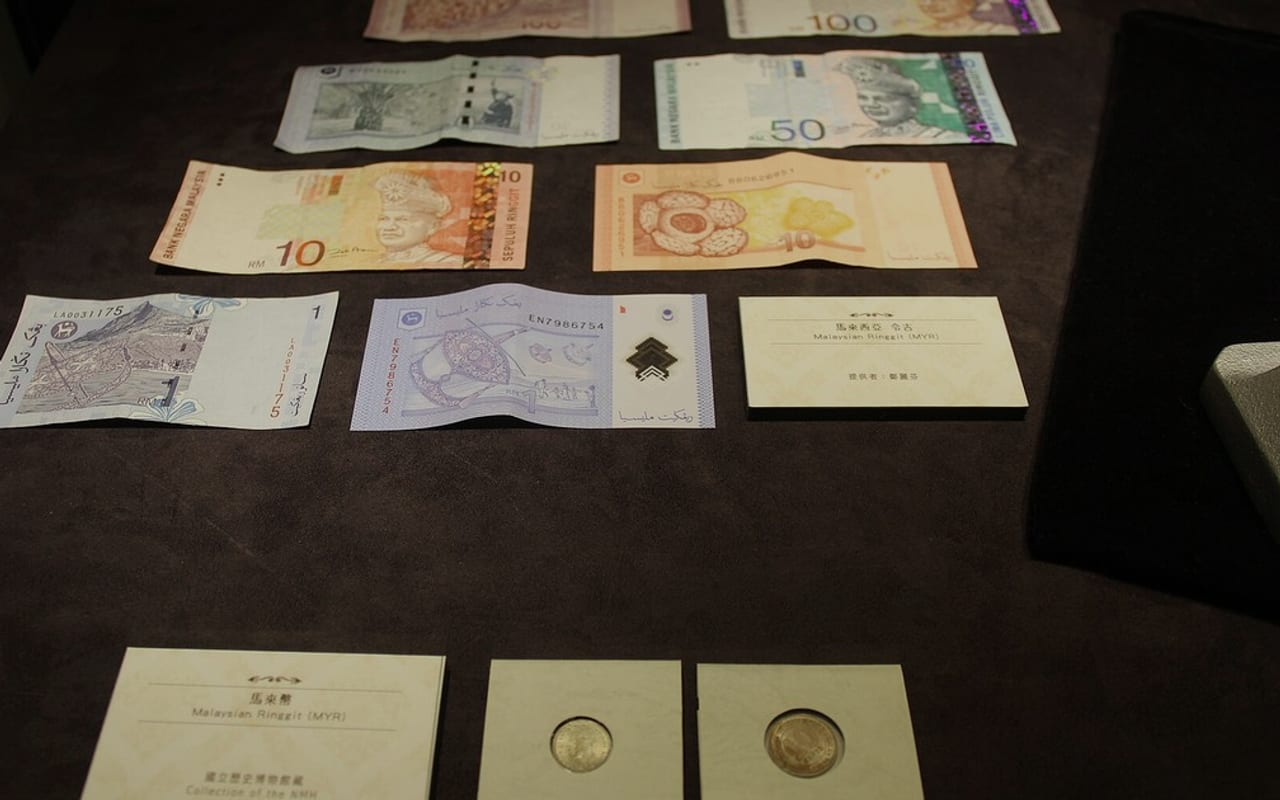
Malaysia is one of the best-value destinations in Southeast Asia. You eat extremely well for very little, getting around is cheap and easy, and you can scale your trip from shoestring to genuinely comfortable without the budget blowing up the way it would in Singapore next door. This guide gives you real daily numbers — in ringgit and US dollars — for three travel styles, broken down by what you’ll actually spend money on.
A quick note on currency: as of late May 2026, USD 1 is around RM3.97 (so roughly RM4 to the dollar — handy mental maths). All conversions below use that rate; check it before you travel, as the ringgit moves. I live in Johor Bahru and these figures reflect what things actually cost on the ground, not headline tourist-brochure numbers.
The short answer: daily budgets
| Style | Per day (RM) | Per day (USD) |
|---|---|---|
| Backpacker | RM120–200 | ~USD 30–50 |
| Mid-range | RM280–480 | ~USD 70–120 |
| Comfort | RM600+ | ~USD 150+ |
These are per-person, per-day on the ground (not counting your international flights in). Backpacker means hostel dorms, hawker food, public transport and free attractions. Mid-range means a private room, a mix of hawker and restaurant meals, Grab everywhere and paid attractions. Comfort means 4–5 star hotels, restaurant dining and tours/private transport. Borneo (Sabah, Sarawak) runs noticeably higher than the peninsula — budget travellers there averaged around RM350+ a day, mostly because the diving, national parks and wildlife tours are the expensive bit.
Accommodation
This is where you control your budget the most.
- Hostel dorm bed: RM25–60 (~USD 6–15) a night. Cheaper in smaller towns, pricier in central George Town or KL.
- Budget private room / guesthouse: RM60–150 (~USD 15–38).
- Mid-range hotel (3-star, aircon, decent): RM150–300 (~USD 38–75).
- 4–5 star hotel: RM350–800+ (~USD 88–200+), with KL and resort islands at the top end.
Booking platforms like Agoda and Booking.com dominate here and often beat walk-in rates. Outside CNY, Hari Raya and the year-end school holidays, you rarely need to book far ahead except on the small islands.
Food — the best-value part of the whole trip
Eating is where Malaysia shines. You genuinely do not need to spend much to eat brilliantly.
- Hawker / kopitiam meal: RM8–15 (~USD 2–4) for a full plate plus a drink. Nasi lemak, char kuey teow, roti canai, chicken rice — this is the heart of Malaysian eating and it’s cheap everywhere.
- Fast-food combo: around RM20 (~USD 5).
- Mid-range restaurant, per person: RM30–60 (~USD 8–15).
- Western / upmarket restaurant: RM60–150+ (~USD 15–38+) per person — this is where costs climb fastest, so imported and Western food is the line item to watch.
- Local coffee at a kopitiam: RM2–4. A flat white at a hipster café: RM12–18.
A realistic daily food budget: a backpacker eating hawker food all day spends RM30–50; a mid-range traveller mixing hawker and restaurants, RM60–120; comfort dining, RM150+. These mirror the everyday eating-out costs locals see — for the resident’s view, see our Johor Bahru cost of living guide.
Transport
Getting around is cheap and mostly painless.
- Grab (ride-hailing): the default for tourists. Short city hops RM5–15 (~USD 1.20–3.80); a longer cross-town ride RM20–35. Far cheaper and easier than renting a car for most visitors.
- City public transport: KL’s LRT/MRT and buses cost roughly RM1–5 a ride. Cheap but won’t reach everywhere.
- Intercity trains (KTM ETS): comfortable and scenic. KL to Penang (Butterworth) runs roughly RM60–90 (~USD 15–23) depending on service class. Book on the KTMB site; advance booking is cheaper.
- Domestic flights (AirAsia, Batik Air, Firefly): the way to cover long distances or reach Borneo. Booked ahead, KL–Penang or KL–Langkawi can be RM80–200; KL–Kota Kinabalu (Borneo) more like RM200–450 return. Prices spike hard around CNY and Hari Raya.
- Long-distance buses: the cheapest intercity option — KL to Penang or Malacca often RM30–50.
If your trip touches the south, note the KL–Singapore corridor runs right through Johor Bahru. Crossing the JB–Singapore border by land is cheap (bus or RTS-style links) but can eat an hour-plus at peak times — we cover the realities in crossing the JB–Singapore border.
Attractions and activities
This varies wildly by what you’re into:
- Free / cheap: temples, mosques, street art (Penang, Ipoh), Petronas Towers park, beaches, hiking — much of Malaysia’s best is free or near-free.
- Petronas Twin Towers skybridge: paid timed entry; book online.
- Theme parks (Legoland JB, Sunway Lagoon, Genting): the big spend — expect a few hundred ringgit per person for a full-day park ticket.
- Borneo experiences: diving Sipadan, Mount Kinabalu climbs, orangutan sanctuaries — these are the genuinely expensive activities and can run into the hundreds or low thousands of ringgit.
Sample trip costs
To make it concrete, here’s roughly what a week works out to per person (on the ground, excluding international flights):
Backpacker, 7 days, peninsula (KL + Penang):
- Hostels: RM280 / Food: RM280 / Transport incl. one train: RM200 / Attractions: RM100
- Total: ~RM860 (~USD 215)
Mid-range, 7 days, peninsula:
- Hotels: RM1,400 / Food: RM630 / Transport incl. flights + Grab: RM500 / Attractions: RM400
- Total: ~RM2,930 (~USD 740)
Comfort, 7 days, including Borneo:
- Hotels: RM3,500+ / Food: RM1,200 / Flights + transfers: RM1,200 / Tours/diving: RM1,500+
- Total: ~RM7,400+ (~USD 1,860+)
How to keep costs down
A few honest tips from living here:
- Eat where locals eat. Hawker centres and kopitiam aren’t a budget compromise — they’re the best food. Western restaurants are where budgets quietly bleed.
- Use Grab, skip the rental car. Unless you’re doing a road trip, ride-hailing is cheaper and saves you parking and fuel hassles. (Foreigners can’t pump subsidised RON95 fuel, so driving costs more than you’d guess — more on that in our cost-of-living guide.)
- Avoid the festival peaks if you’re price-sensitive. Chinese New Year (17–18 Feb 2026) and Hari Raya Aidilfitri (21–22 Mar 2026) send flights and hotels up sharply and clog the highways. Our best time to visit Malaysia guide has the full 2026 calendar.
- Book flights and trains early for the cheap fares; same-week prices jump.
Malaysia rewards the budget traveller more than almost anywhere in the region, and it rewards the comfort traveller with strong value too — your money simply goes further here. If you’re weighing up a longer stay rather than a holiday, the moving to Johor Bahru guide covers the resident side. Questions on a specific trip or budget? Get in touch — real answers from someone who lives it.
About the author
Chris Tan lives and works in Johor Bahru, Malaysia, helping people relocate to and buy property in the Iskandar region. Questions about your move? Get in touch.
Keep reading
 Travel & Explore
 Best Time to Visit Malaysia: Weather, Seasons & Crowds
When to visit Malaysia depends on where you go. A region-by-region guide to monsoons, haze, heat, school holidays and 2026 festival dates from someone who lives here.
2 Mar 2026
 Travel & Explore
 Crossing the JB–Singapore Border: A Complete Guide
How to cross the Johor Bahru–Singapore border in 2026 — Causeway vs Second Link, VEP and road charges, QR/autogate clearance, peak times, and car vs bus vs motorcycle.
8 Mar 2026
 Travel & Explore
 Bak Kut Teh in Johor Bahru: Where to Go
A local guide to bak kut teh in Johor Bahru — Shoon Huat, Hwa Mei, Kota Tinggi style, the difference between herbal and peppery broth, and rough 2026 prices.
6 Mar 2026
 Travel & Explore
 Beaches Near Johor Bahru
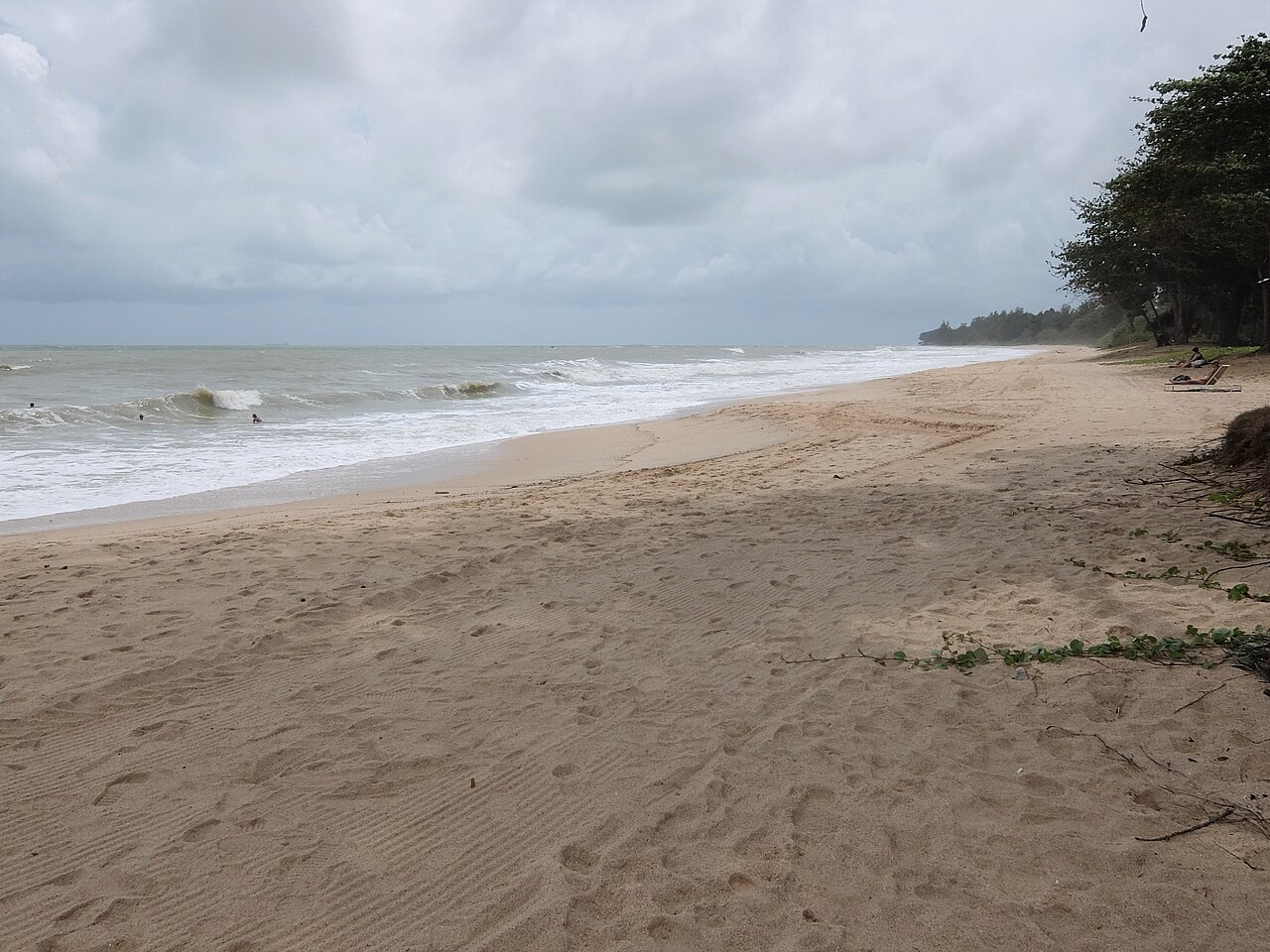
A local's guide to beaches near Johor Bahru — Desaru Coast, Tanjung Balau, Tanjung Piai and more, with drive times, rough 2026 costs and honest expectations.
11 Mar 2026
 Moving to Malaysia
 Best Areas to Live in Johor Bahru: A Neighbourhood Guide
Where to live in Johor Bahru — JB city, Bukit Indah, Iskandar Puteri, Mount Austin and more, compared by lifestyle, commute to Singapore, and who each suits.
7 Feb 2026
 Property & MM2H
 Buying Property in Iskandar Malaysia: A Foreigner's Guide (2026)
Can foreigners buy property in Johor? Yes — here's how it actually works in Iskandar Malaysia: rules, process, financing, fees, and the mistakes to avoid.
10 Feb 2026