Jonker Street, Malacca: What to See, Eat & Buy
Your complete guide to Jonker Street in Malacca — the night market hours, the best Nyonya food, what to buy, and honest tips on crowds, prices and timing for 2026.
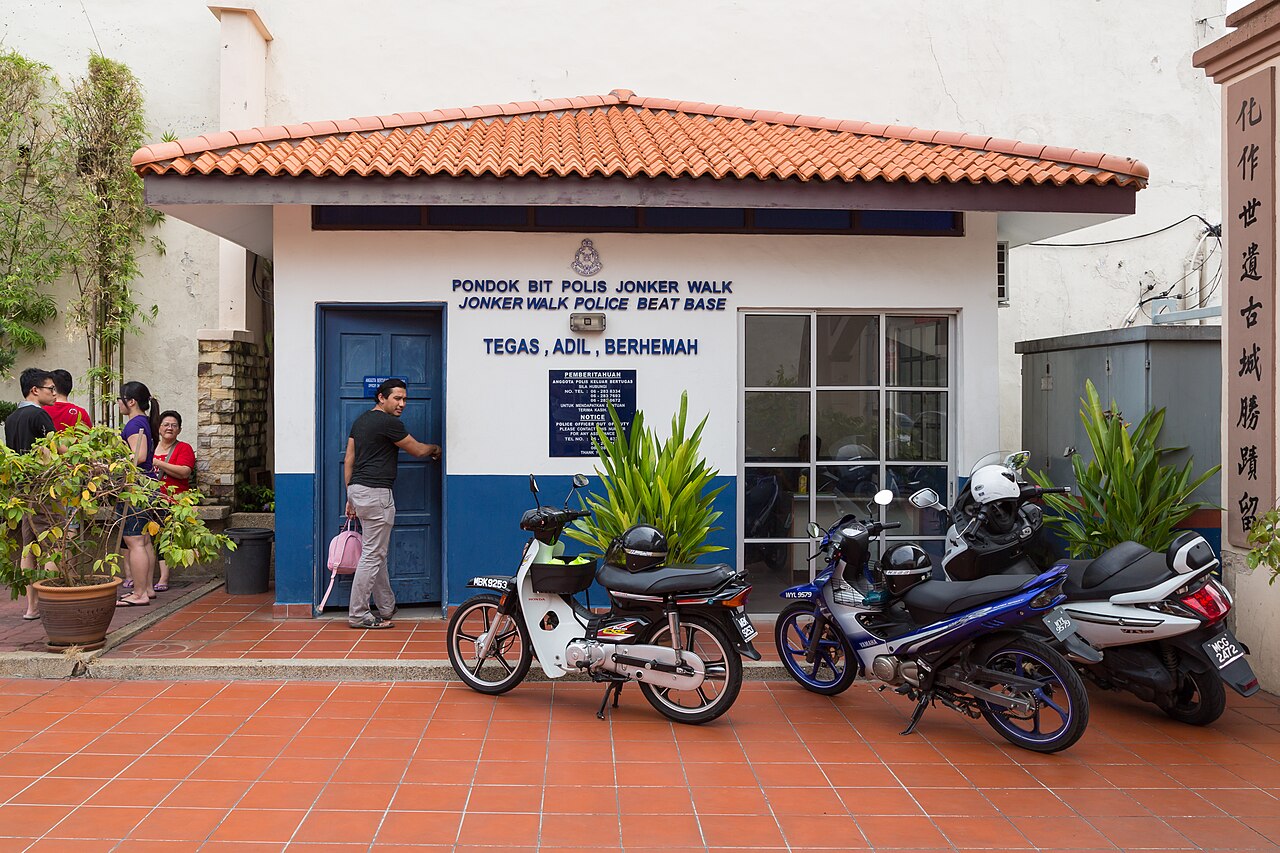
Jonker Street — officially Jalan Hang Jebat — is the heart of Malacca’s Chinatown and the one address every visitor ends up at. By day it’s a sleepy row of antique dealers, clan houses and kopitiams. On weekend nights it transforms into one of Malaysia’s most famous street markets, with food stalls, buskers and a crowd that fills the road from end to end.
Here’s how to do it without getting overwhelmed.
Jonker is one piece of the puzzle — see our Malacca destination hub for the full old-town picture.
When the night market runs
The Jonker Walk night market operates Friday, Saturday and Sunday nights, roughly 6pm to midnight. The street closes to vehicles, stalls roll out, and a small stage near the far (Jonker arch) end runs live karaoke and oldies — often elderly locals belting Mandarin and Hokkien classics, which is oddly wonderful.
If you visit on a weekday, the street is still worth walking for the shops and restaurants, but there’s no market. The energy peaks around 7 to 8pm on market nights; by then it’s genuinely packed, so arrive earlier if you want room to breathe.
Jonker Street (Jalan Hang Jebat)
- 🕐 Hours
- Night market Fri–Sun, ~6pm–midnight (shops open daily by day)
- 📍 Address
- Jalan Hang Jebat, 75200 Melaka
What to eat
Jonker is a food-first destination. Some things to chase down:
Chicken rice balls
Malacca’s signature dish. The same Hainanese chicken rice you find elsewhere, but the rice is rolled into compact ping-pong-sized balls that soak up the chicken broth. Several long-running shops near the Jonker entrance specialise in it — expect a queue at lunch.
Nyonya laksa and Peranakan dishes
This is the home of Nyonya (Peranakan) cuisine. Sit-down restaurants along and just off Jonker serve coconut-rich Nyonya laksa, ayam pongteh, and other dishes you won’t find done as well elsewhere. Mains generally run RM15 to RM30.
Satay celup
A Malacca obsession: raw skewers of meat, seafood and veg that you cook yourself in a bubbling communal pot of thick peanut sauce. You pay by the stick. Messy, social and very good.
Cendol and ABC
Shaved-ice desserts are non-negotiable in this heat. Cendol comes with green rice-flour jelly, red beans, coconut milk and a heavy pour of gula melaka. A bowl is usually a few ringgit. There are famous cendol stalls just off the main drag — follow the line.
Street snacks
On market nights the stalls bring out everything: satay, popiah, grilled squid, quail eggs, fresh coconut, durian puffs, and the giant pineapple tarts Malacca is known for.
What to buy
Jonker is a good place to pick up:
- Pineapple tarts and dodol — classic Malacca edible souvenirs, sold in boxes from dedicated shops
- Gula melaka — the local palm sugar, in solid blocks
- Nyonya beaded slippers and kebaya — Peranakan craft pieces, from a handful of specialist shops
- Antiques and vintage bric-a-brac — the daytime shops are the real treasure here
- White coffee and local snacks — easy gifts to take home
Haggling is fine at souvenir stalls, less so in fixed-price shops and restaurants. Keep expectations modest — much of the trinket stuff is the same as you’d find at any tourist market.
The trishaws
At the Dutch Square end, you’ll meet Malacca’s legendary trishaws — pedal rickshaws buried under neon flowers, cartoon mascots and loudspeakers blasting pop. The council rate sits around RM40 per hour as of 2026 for up to two people. Agree the route and price before you sit down. It’s pure tourist theatre, but a slow loop through the old town once is a fun way to see it.
Honest tips
- Go early on market nights. By 8pm the crowd is dense and the heat from bodies plus open grills is real. Arrive around 6 to 6:30pm for an easier time.
- Eat as you walk, but pace yourself. Portions are small and cheap — that’s the point. Share dishes so you can try more.
- Bring cash in small notes. Stalls are cash-first. Sit-down restaurants and cafes usually take cards and e-wallets, but stalls won’t.
- It can rain suddenly. Afternoon and evening downpours are common; a market night can get washed out fast. A cheap umbrella in your bag saves the evening.
- Parking is a nightmare on weekends. If you drove in, park further out and walk, or use a ride-hailing app to the old town.
How it fits a Malacca trip
Jonker pairs naturally with Dutch Square, St Paul’s Hill and the river cruise, all within a short walk across the river. A common rhythm: sights and the cruise in the afternoon, dinner and the market on Jonker after dark.
If you’re coming from KL, this is an easy weekend — about two to two-and-a-half hours each way. For the day-by-day plan, see our weekend in Malacca itinerary, and for overall costs, our Malaysia travel budget guide.
Jonker isn’t a hidden gem — it’s firmly on the tourist trail, and on a busy Saturday it can feel like the whole peninsula showed up. But the food is genuinely excellent, the heritage is real, and an hour after dark with a bowl of cendol in hand is exactly the Malacca people come for.
About the author
Chris Tan lives and works in Johor Bahru, Malaysia, helping people relocate to and buy property in the Iskandar region. Questions about your move? Get in touch.
Keep reading
 Travel & Explore
 Best Time to Visit Malaysia: Weather, Seasons & Crowds
When to visit Malaysia depends on where you go. A region-by-region guide to monsoons, haze, heat, school holidays and 2026 festival dates from someone who lives here.
2 Mar 2026
 Travel & Explore
 Crossing the JB–Singapore Border: A Complete Guide
How to cross the Johor Bahru–Singapore border in 2026 — Causeway vs Second Link, VEP and road charges, QR/autogate clearance, peak times, and car vs bus vs motorcycle.
8 Mar 2026
 Travel & Explore
 Bak Kut Teh in Johor Bahru: Where to Go
A local guide to bak kut teh in Johor Bahru — Shoon Huat, Hwa Mei, Kota Tinggi style, the difference between herbal and peppery broth, and rough 2026 prices.
6 Mar 2026
 Travel & Explore
 Beaches Near Johor Bahru
A local's guide to beaches near Johor Bahru — Desaru Coast, Tanjung Balau, Tanjung Piai and more, with drive times, rough 2026 costs and honest expectations.
11 Mar 2026
 Moving to Malaysia
 Best Areas to Live in Johor Bahru: A Neighbourhood Guide
Where to live in Johor Bahru — JB city, Bukit Indah, Iskandar Puteri, Mount Austin and more, compared by lifestyle, commute to Singapore, and who each suits.
7 Feb 2026
 Property & MM2H
 Buying Property in Iskandar Malaysia: A Foreigner's Guide (2026)
Can foreigners buy property in Johor? Yes — here's how it actually works in Iskandar Malaysia: rules, process, financing, fees, and the mistakes to avoid.
10 Feb 2026