Indian Food & Little India in Penang
A local guide to Indian food in Penang's Little India — nasi kandar, banana leaf rice, biryani at Hameediyah, Kapitan and Line Clear, with honest tips and rough 2026 prices.
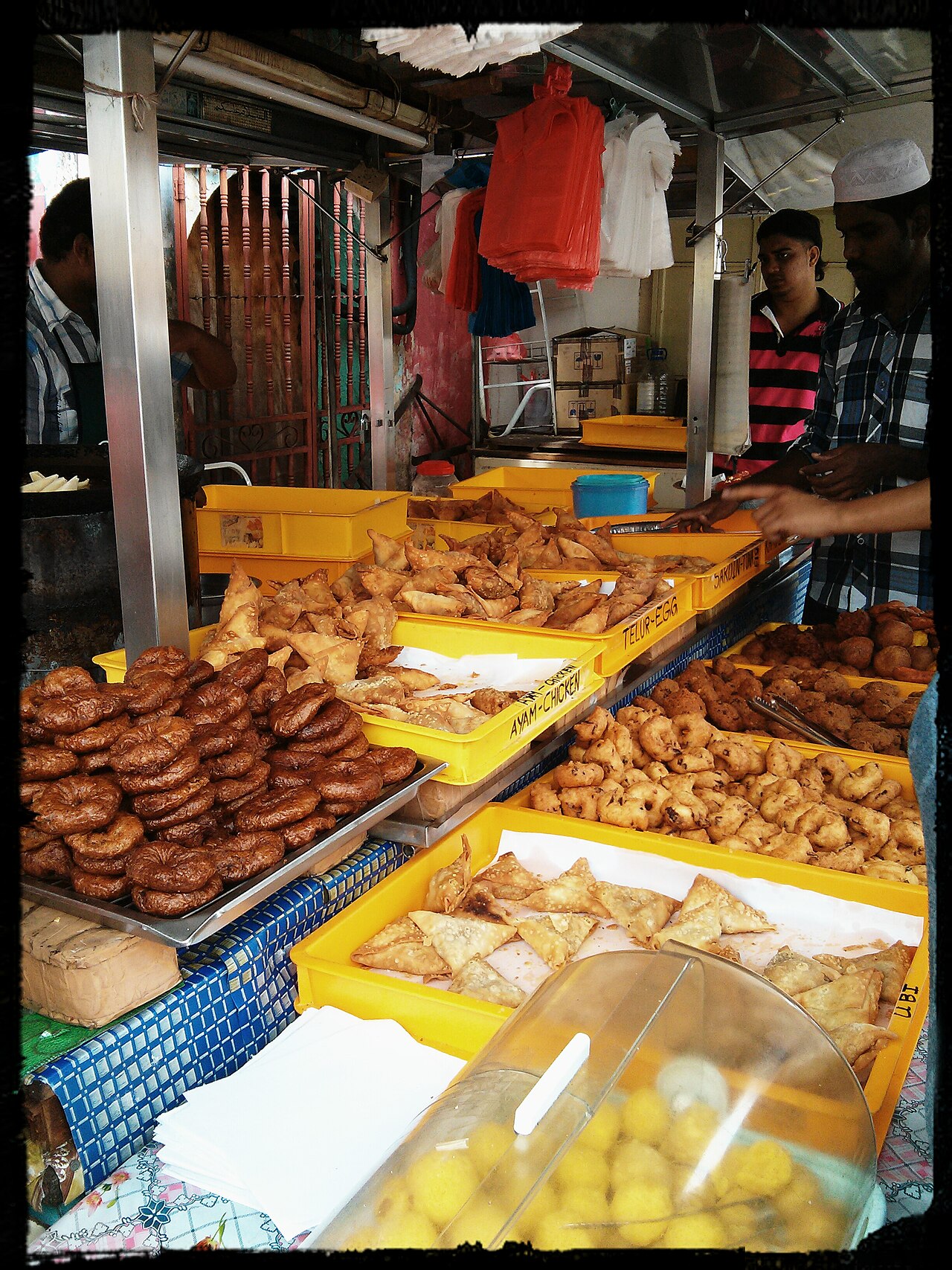
Tucked inside George Town’s heritage zone, Little India is a few blocks of marigold garlands, sari shops, Bollywood blaring from speakers, and some of the best Indian and Indian-Muslim food in Malaysia. This is the birthplace of nasi kandar, Penang’s gift to the country, and a place where you can eat rice piled with curries off a banana leaf for the price of a coffee back home. Here’s how to eat your way through it, with rough 2026 prices.
For the wider scene, see our Penang street food guide and the Penang explore guide.
A little history you should know
Nasi kandar was born right here. In the early 1900s, Indian-Muslim vendors carried pots of rice and curry on a pole across their shoulders — kandar means to carry that way — selling to dock workers down at Weld Quay. Over a century it became Penang’s signature meal: steamed rice drowned in a mix of curry gravies, with your choice of fried chicken, fish, squid, mutton or egg piled on top. The magic is in the kuah campur — the “mixed gravy” where the curries pool together. Always say yes to the mix.
Nasi kandar: the must-eat
Hameediyah
Penang’s oldest nasi kandar restaurant, going back to 1907 when it started under a tree on Lebuh Campbell. It’s an institution, and the briyani here is regularly called one of the best on the island. If you only do one nasi kandar in Penang, this is the safe, historic choice.
Hameediyah Restaurant
- 🕐 Hours
- ~10am–10pm (split hours Fri)
- 📍 Address
- 164 Lebuh Campbell, George Town, Penang
Line Clear
The famous 24-hour one, in an alley off Penang Road. Line Clear is the late-night, any-hour nasi kandar that locals and cab drivers swear by. You point at what you want, they pile it on, they drown it in gravy. It’s chaotic, it’s cash-flowing fast, and it’s the real deal.
Nasi Kandar Line Clear
- 🕐 Hours
- Open 24 hours
- 📍 Address
- 177 Jalan Penang (alley off Penang Road), George Town, Penang
Restoran Kapitan
Right in Little India and famous for its claypot briyani — spiced rice and tender meat slow-cooked together — alongside tandoori chicken and naan. A reliable sit-down spot when you want briyani done well. Plates run roughly RM12 to RM25 depending on the meat.
Restoran Kapitan
- 🕐 Hours
- Open 24 hours
- 📍 Address
- 93 Lebuh Chulia (corner of Lebuh King), George Town, Penang
Restoran Tajuddin Hussain
On the edge of Little India, a two-minute walk from the Kapitan Keling Mosque. Smaller and beloved by those in the know for a particularly rich, well-spiced plate of nasi kandar. Worth seeking out if the big names are slammed.
Restoran Tajuddin Hussain
- 🕐 Hours
- Mon–Sat ~11am–3:30pm & 6:30pm–10pm (closed Sun)
- 📍 Address
- 45 Lebuh Queen, George Town, Penang
Banana leaf rice
The South Indian classic, and a slightly different tradition from the Indian-Muslim nasi kandar. Rice is served on a fresh banana leaf with a spread of vegetables, a curry of your choice, pickles, rasam and papadum. It’s typically vegetarian-friendly, refills are often free, and the whole experience of eating off a leaf with your hand is part of the fun. You’ll find banana leaf spots along and around Little India in the heritage zone. A full banana leaf meal runs roughly RM10 to RM20.
Beyond rice
Roti canai — flaky pan-fried flatbread with dhal or curry, the breakfast staple. Around RM1.50 to RM3.
Murtabak — roti stuffed with spiced minced meat and onion, hearty and rich. Around RM6 to RM12.
Mee goreng mamak — spicy Indian-Muslim fried noodles, a bit sweet, a bit tangy, very Penang. Around RM6 to RM9.
Teh tarik — “pulled” milk tea, frothy and sweet. The correct drink for all of the above. RM2 to RM3.
Indian sweets — wander the shops for ladoo, jalebi, gulab jamun and barfi to finish. A few ringgit a piece.
How to eat in Little India
- Say yes to the mixed gravy. When they ask about the kuah, let them pour the mix. That’s the soul of nasi kandar.
- Point and pile. At the classic shops you choose from the display. Don’t be shy — point at what looks good and they’ll plate it.
- Eat with your right hand if you want the full experience, especially for banana leaf rice. Cutlery is always available if you’d rather.
- Carry cash. Most of these spots are cash-friendly and fast; some take QR now, but cash keeps the line moving.
- Go hungry. Portions are generous and the gravies are rich. This is not a light meal.
What it costs, roughly
As of 2026, a plate of nasi kandar runs RM8 to RM20 depending on how much meat you load on. Banana leaf rice lands around RM10 to RM20. A roti-canai-and-teh-tarik breakfast rarely breaks RM10. It’s some of the most satisfying value eating anywhere in the country.
If you’re planning a food-led trip, our Malaysia travel budget guide covers what a week of eating like this actually costs.
The honest take
Little India is one of the most atmospheric pockets of George Town, and the food is a genuine highlight of any Penang trip, not a sideshow to the Chinese hawker stuff. Do one nasi kandar at a historic name like Hameediyah or Line Clear, one banana leaf meal off the leaf, and a roti canai breakfast — then walk it off through the marigolds and music. That’s Little India done right.
About the author
Chris Tan lives and works in Johor Bahru, Malaysia, helping people relocate to and buy property in the Iskandar region. Questions about your move? Get in touch.
Keep reading
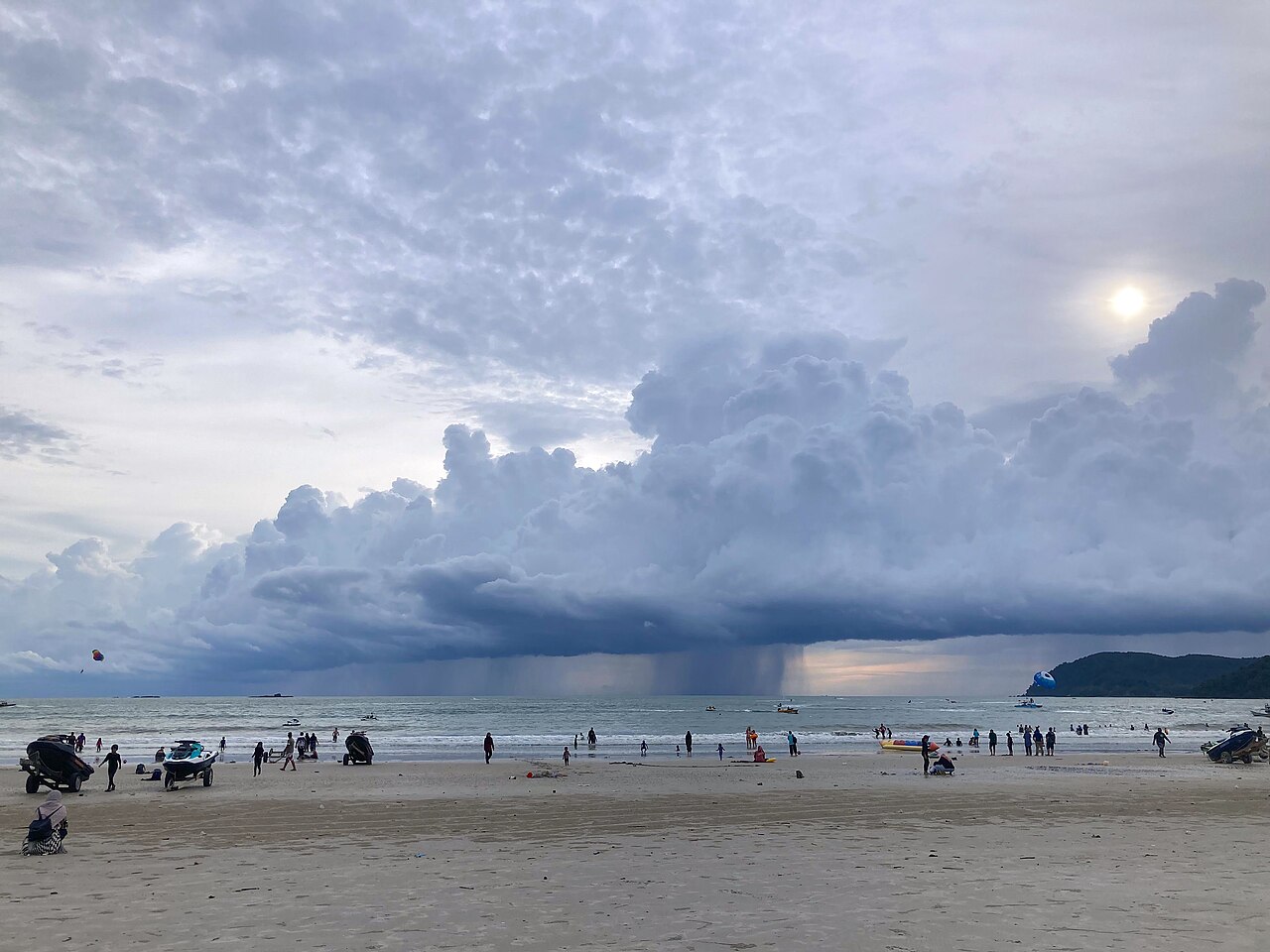 Travel & Explore
 Best Time to Visit Malaysia: Weather, Seasons & Crowds
When to visit Malaysia depends on where you go. A region-by-region guide to monsoons, haze, heat, school holidays and 2026 festival dates from someone who lives here.
2 Mar 2026
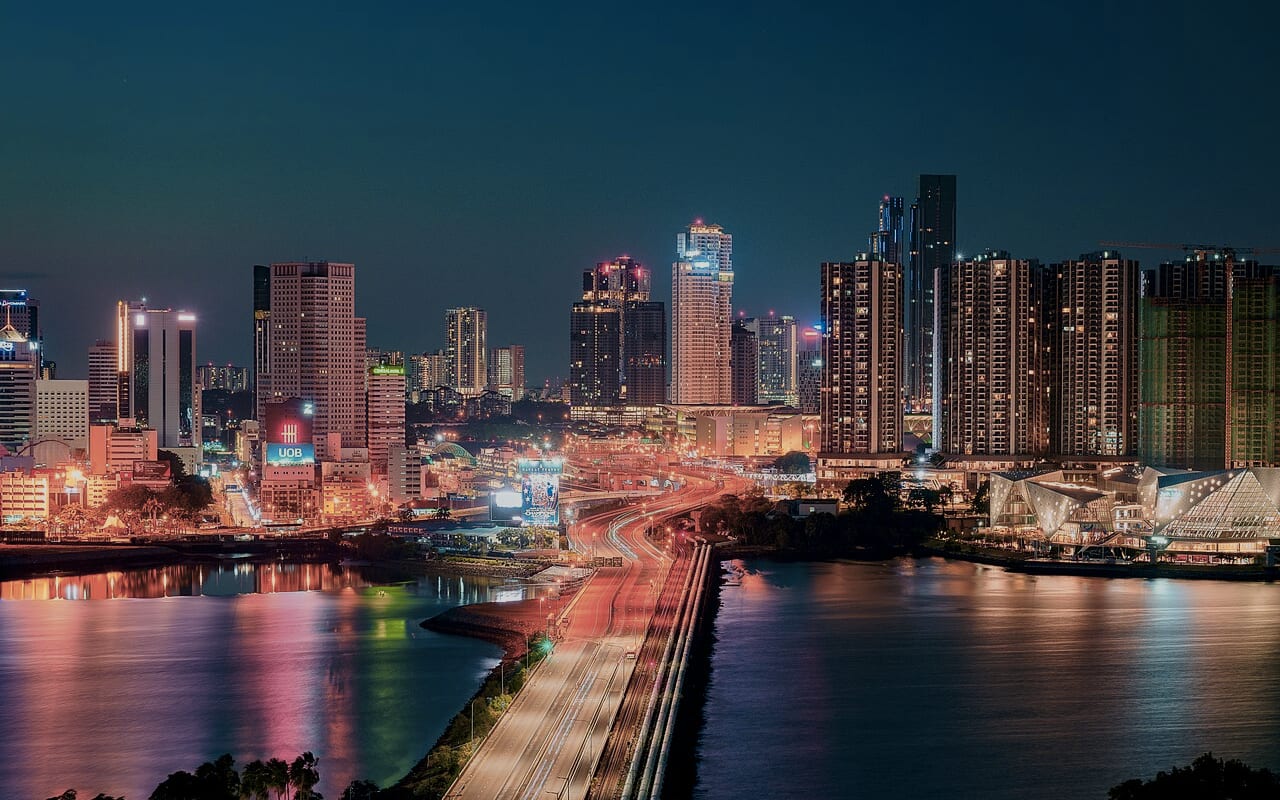 Travel & Explore
 Crossing the JB–Singapore Border: A Complete Guide
How to cross the Johor Bahru–Singapore border in 2026 — Causeway vs Second Link, VEP and road charges, QR/autogate clearance, peak times, and car vs bus vs motorcycle.
8 Mar 2026
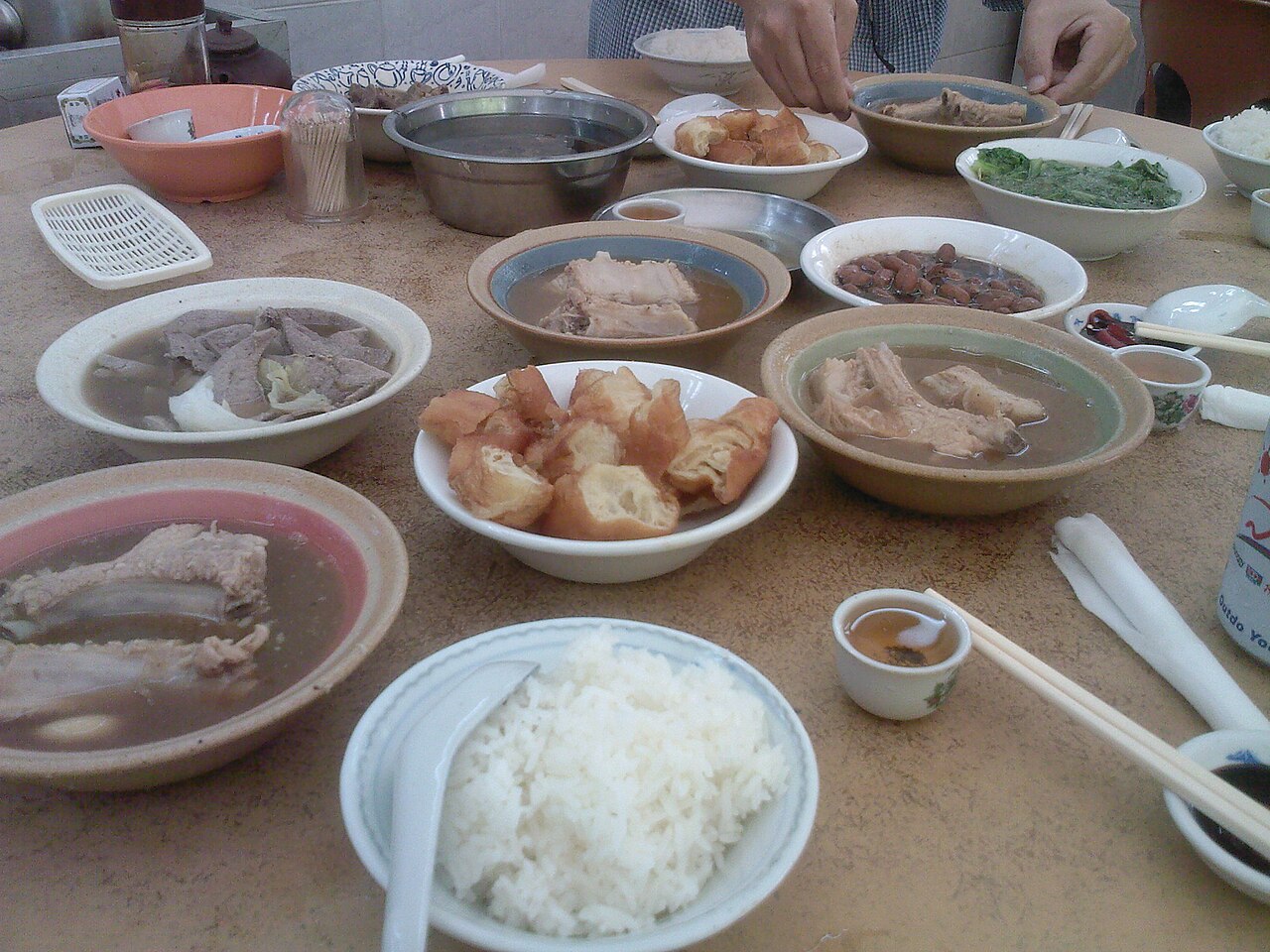 Travel & Explore
 Bak Kut Teh in Johor Bahru: Where to Go
A local guide to bak kut teh in Johor Bahru — Shoon Huat, Hwa Mei, Kota Tinggi style, the difference between herbal and peppery broth, and rough 2026 prices.
6 Mar 2026
 Travel & Explore
 Beaches Near Johor Bahru
A local's guide to beaches near Johor Bahru — Desaru Coast, Tanjung Balau, Tanjung Piai and more, with drive times, rough 2026 costs and honest expectations.
11 Mar 2026
 Moving to Malaysia
 Best Areas to Live in Johor Bahru: A Neighbourhood Guide
Where to live in Johor Bahru — JB city, Bukit Indah, Iskandar Puteri, Mount Austin and more, compared by lifestyle, commute to Singapore, and who each suits.
7 Feb 2026
 Property & MM2H
 Buying Property in Iskandar Malaysia: A Foreigner's Guide (2026)
Can foreigners buy property in Johor? Yes — here's how it actually works in Iskandar Malaysia: rules, process, financing, fees, and the mistakes to avoid.
10 Feb 2026