Breakfast & Dim Sum in Penang
A local guide to breakfast and dim sum in Penang — Tho Yuen, Maxim, Kimberley Street kopitiams, Hokkien mee and roti canai, with honest tips and rough 2026 prices.
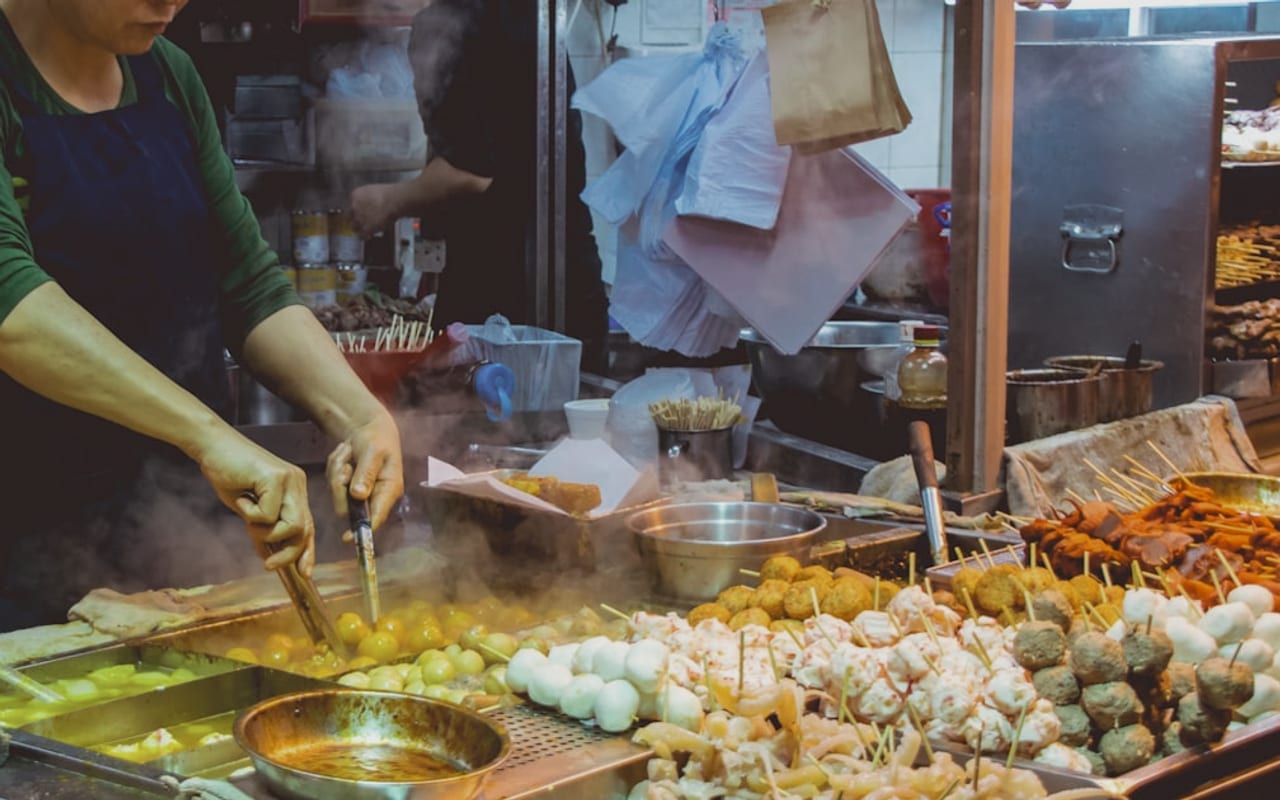
Penang eats best in the morning. The hawkers are fresh, the prawn mee broth has been simmering since dawn, and the dim sum carts are loaded. If you only have the discipline to wake up early once on your trip, do it for breakfast here — it’s where a lot of the island’s best food actually lives. This is a guide to eating a proper Penang morning, from old-school dim sum halls to back-lane noodle stalls, with rough 2026 prices.
For the wider scene, see our Penang street food guide and the Penang explore guide.
How Penang does breakfast
There’s no single Penang breakfast — there are three or four, depending on which community you’re eating with. Chinese breakfast means Hokkien prawn mee, wantan mee, koay teow th’ng or a dim sum hall. Malay and Indian-Muslim breakfast means roti canai, nasi lemak and mee goreng mamak. And everyone, regardless of background, runs on kopi from a traditional kopitiam. The trick is to pick a lane and go early, because the good stuff sells out.
Old-school dim sum halls
Tho Yuen
The grand old institution. Tho Yuen has been serving Cantonese dim sum in George Town’s Chinatown, near Chowrasta, since the 1930s, and it’s listed in the Michelin Guide. Carts and trays of har gow, siew mai, char siew bao, custard buns and chee cheong fun, all in a bustling old hall. Go early — the good items are gone by mid-morning and weekends get packed. A filling dim sum breakfast for two runs roughly RM30 to RM50.
Tho Yuen Restaurant
- 🕐 Hours
- ~6am–3pm
- 📍 Address
- 92 Lebuh Campbell, George Town, Penang
Maxim Dim Sum
The big, easy one — one of the largest dim sum restaurants on the island, with a hassle-free ordering process that’s friendly to first-timers. Crunchy egg tarts, salted egg yolk custard buns, porridge and siew mai, served daily from early morning. Less heritage charm than Tho Yuen, more space and shorter waits. A good pick if you want dim sum without the queue stress.
Kimberley Street and Cintra Street kopitiams
Several old kopitiams around Kimberley Street and Cintra Street do dim sum the traditional way — push carts, steamer baskets, kopi on the side. These are quieter, more local, and a lovely way to ease into the day. Wander, peek inside, and sit down wherever the locals are.
Hawker breakfast classics
Hokkien prawn mee (har mee) — the king of Penang breakfast. A deep, peppery prawn-and-pork broth, dark orange and rich, with noodles, prawns, egg and pork. You’ll find legendary stalls tucked into kopitiams and morning markets all over the island. Around RM6 to RM10.
Koay teow th’ng — clear, comforting noodle soup with fish balls, minced pork and duck meat. The gentle counterpoint to all the heavy fried stuff. Around RM6 to RM9.
Wantan mee — springy egg noodles with char siew, dumplings and greens, dry-tossed or in soup. A reliable any-morning order. Around RM6 to RM9.
Nasi lemak — coconut rice with sambal, anchovies, peanuts, egg and cucumber. From RM2 wrapped in banana leaf to RM8 and up with toppings.
Roti canai and the mamak morning
For an Indian-Muslim (mamak) breakfast, head to a busy mamak shop or a Little India eatery. Roti canai — flaky, pan-fried flatbread served with dhal or curry for dipping — is the staple, often paired with a teh tarik (pulled milk tea). Add mee goreng mamak (spicy fried noodles) or a roti telur (with egg) and you’ve eaten like half of Penang does. Roti canai runs around RM1.50 to RM3 plain; the whole breakfast rarely breaks RM10. For more on this scene, see our Little India food guide.
How to do a Penang breakfast right
- Go early. This is the one non-negotiable. The best stalls and dim sum carts peak before 9am and thin out fast. By noon the legends have sold out.
- Kopi first. Order a traditional kopi (or kopi O for it black) while you decide. RM2 to RM3 and it’s the correct fuel.
- Carry cash for hawkers. Dim sum halls take cards, but the back-lane noodle stalls are often cash only.
- Mind closing days. Many breakfast spots close one day a week, sometimes Monday or Tuesday. Check before a special trip.
- Don’t over-order. Portions are small by design so you can graze across several stalls. Pace yourself.
What it costs, roughly
As of 2026, a hawker breakfast — a bowl of noodles plus kopi — runs RM8 to RM14. A proper old-school dim sum spread for two lands around RM30 to RM50. A mamak roti-canai-and-teh-tarik breakfast struggles to break RM10. However you do it, breakfast is some of the best value eating in Malaysia.
If you’re budgeting a wider trip, our Malaysia travel budget guide breaks down what eating well all day actually costs.
A simple morning plan
Wake up, find a kopi and a plate of roti canai to warm up. Then go straight for a famous Hokkien prawn mee or sit down for dim sum at Tho Yuen before the carts thin out. Finish with a second kopi while you plan where lunch is going to be. Do that once on your trip and you’ll understand why Penang locals guard their breakfast spots like family secrets.
About the author
Chris Tan lives and works in Johor Bahru, Malaysia, helping people relocate to and buy property in the Iskandar region. Questions about your move? Get in touch.
Keep reading
 Travel & Explore
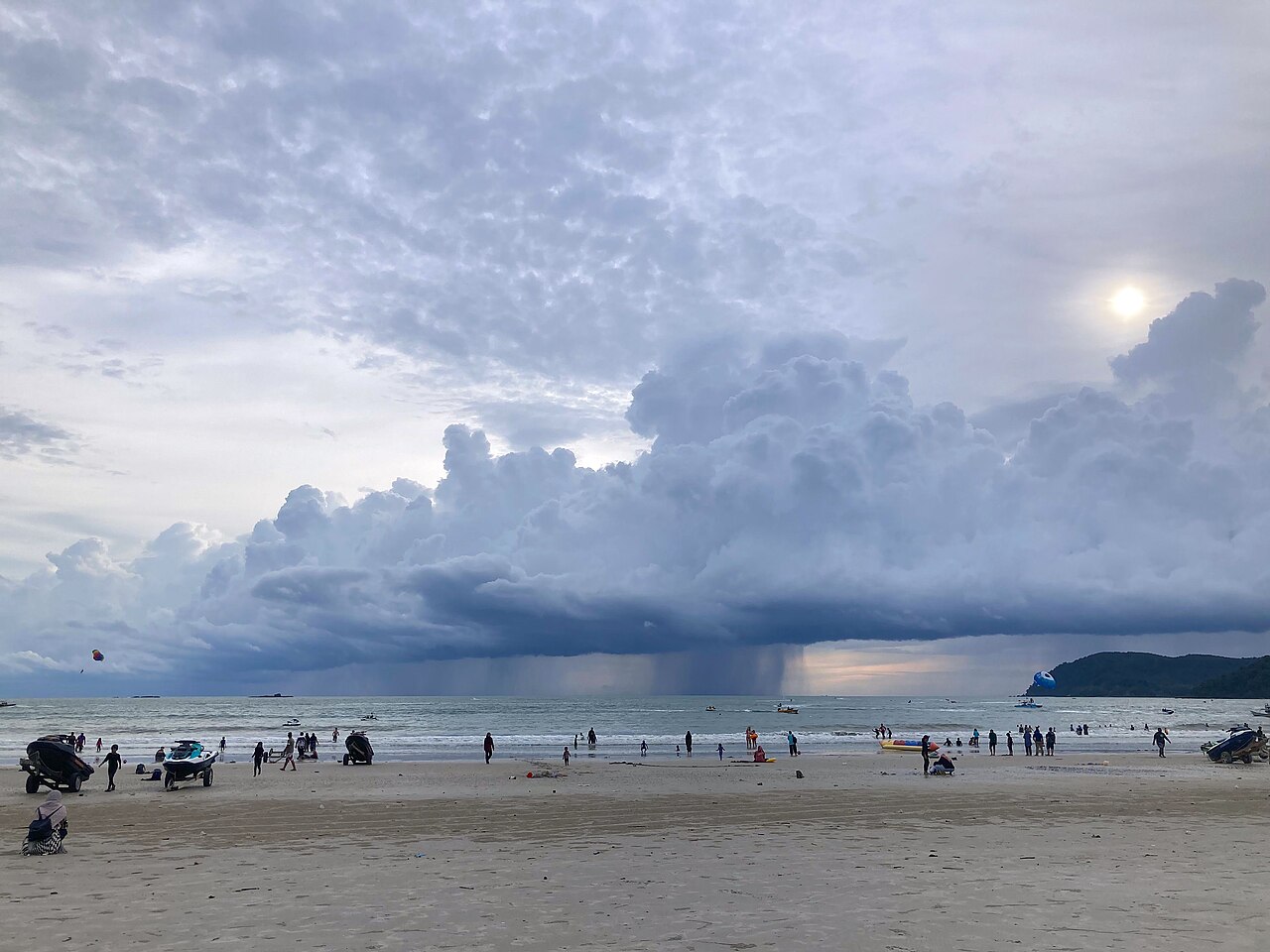
 Best Time to Visit Malaysia: Weather, Seasons & Crowds
When to visit Malaysia depends on where you go. A region-by-region guide to monsoons, haze, heat, school holidays and 2026 festival dates from someone who lives here.
2 Mar 2026
 Travel & Explore
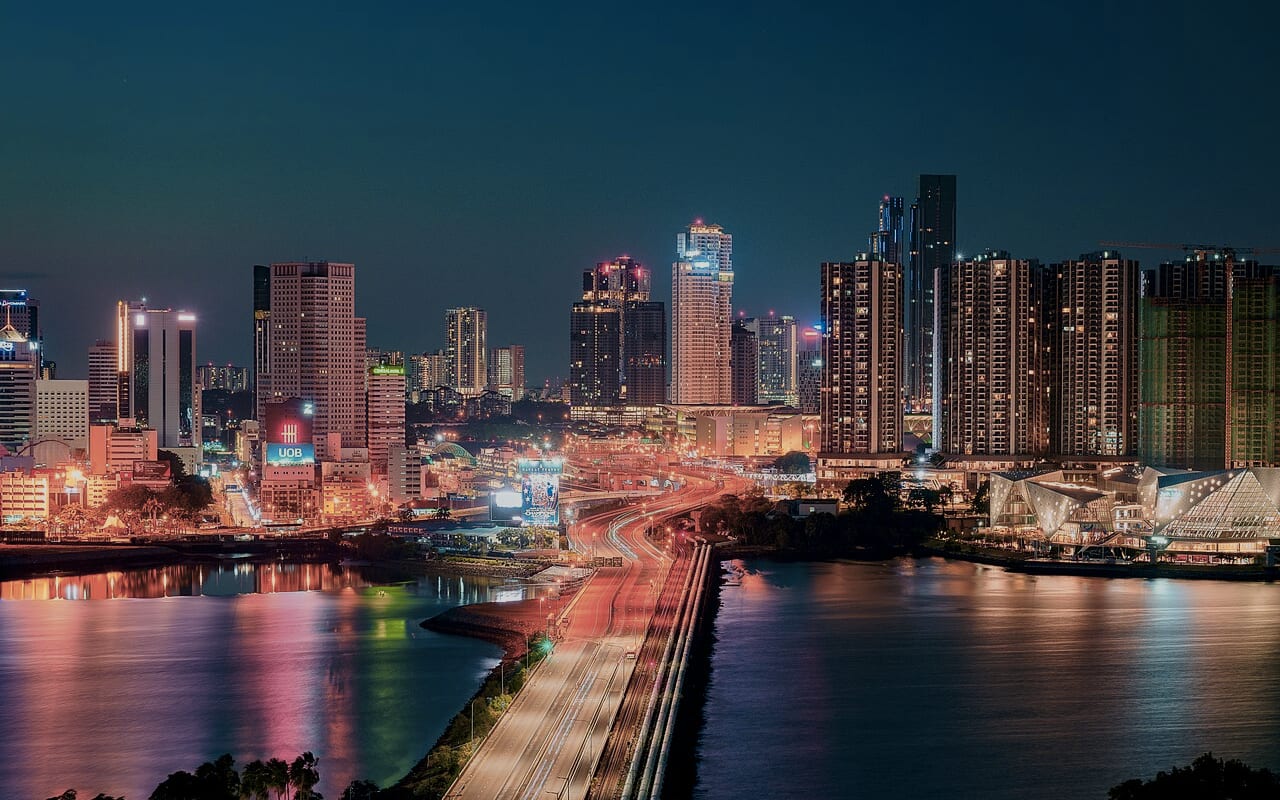
 Crossing the JB–Singapore Border: A Complete Guide
How to cross the Johor Bahru–Singapore border in 2026 — Causeway vs Second Link, VEP and road charges, QR/autogate clearance, peak times, and car vs bus vs motorcycle.
8 Mar 2026
 Travel & Explore
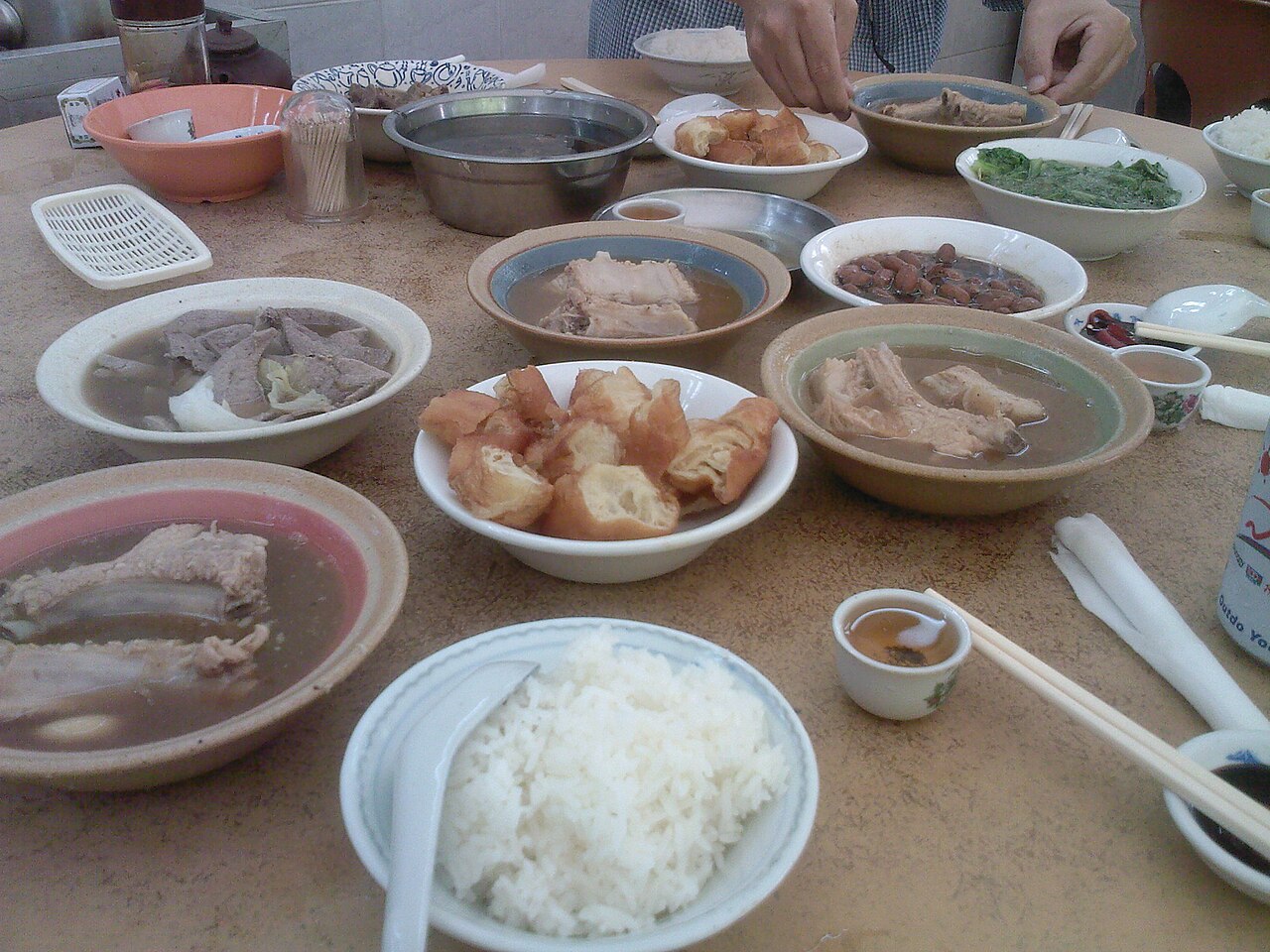
 Bak Kut Teh in Johor Bahru: Where to Go
A local guide to bak kut teh in Johor Bahru — Shoon Huat, Hwa Mei, Kota Tinggi style, the difference between herbal and peppery broth, and rough 2026 prices.
6 Mar 2026
 Travel & Explore
 Beaches Near Johor Bahru
A local's guide to beaches near Johor Bahru — Desaru Coast, Tanjung Balau, Tanjung Piai and more, with drive times, rough 2026 costs and honest expectations.
11 Mar 2026
 Moving to Malaysia
 Best Areas to Live in Johor Bahru: A Neighbourhood Guide
Where to live in Johor Bahru — JB city, Bukit Indah, Iskandar Puteri, Mount Austin and more, compared by lifestyle, commute to Singapore, and who each suits.
7 Feb 2026
 Property & MM2H
 Buying Property in Iskandar Malaysia: A Foreigner's Guide (2026)
Can foreigners buy property in Johor? Yes — here's how it actually works in Iskandar Malaysia: rules, process, financing, fees, and the mistakes to avoid.
10 Feb 2026